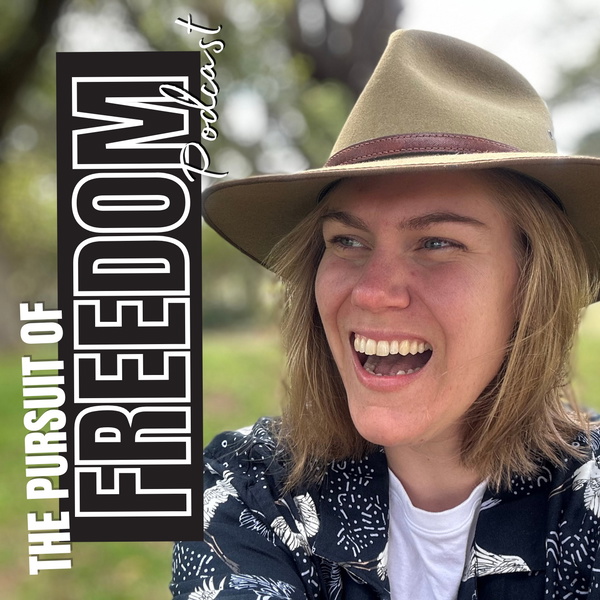
I sit down with the remarkable Alysia East. We delve into forgiveness, the complexity of personal identity, and the ongoing process of healing from trauma. Alysia shares her experiences of breaking free from the cycle of abuse, the challenges of forgiving her abusers, and the importance of setting boundaries and finding inner peace.
**content warning** - Alysia talks about her abusive childhood in this episode.
Resources mentioned in this episode:
- The book Alysia couldn't remember the name of - Running on Empty: Overcome Your Childhood Emotional Neglect by Jonice Webb
Get in touch with today's guest:
Join The Free Spirited Sisterhood - my community for female solopreneurs.
'Til next time,
TRANSCRIPT
[00:00:00] Welcome back. This is episode 41 of the podcast. I really feel like I'm back on a roll now with getting these episodes out every week, it's taken a while, but you know, what has really helped is that I've. Given up a bit of control and perfectionism here. Like I can't afford an editor. But I can afford to pay for some software to help me.
[00:00:23] So I usually edit it. My episodes quite manually in premiere pro and audition. It takes me a long time. I'm not great at it. And you know, it takes ages. So if I'm just doing a very basic edit for an hour episode, it'll take me two hours to do that. Plus probably another 20 minutes to half an hour to come up with a title or write the description, upload it, schedule it. Well, I've stopped being so controlling and I've been trialing using Descript for the past two, maybe three episodes. And I get it to remove all the ums for me.
[00:00:58] I get it to shorten some of the long pauses, which happens sometimes in recordings. And then I get it to generate a. Summary of the episode for me with chapters now it's not perfect. Right? I. Edit the summary, but the chapters, I keep those sort of, not as important. And the edit of the episode. Is pretty good.
[00:01:21] And then I just go through and tweak it. It is a lot quicker. So. The lesson. Stop being so proud. Get some help.
[00:01:32] I'll get off my high horse though. Um, enjoy this episode, I'm talking with Alyssia or Allie east. She is amazing. The poor thing has been waiting for months and months, and months and months for this episode to come out. She actually sent me an email today or yesterday. Just checking in and seeing how I was, and if it was still coming out. Um, she was lovely.
[00:01:54] I'd probably be quite rude if I'd recorded an episode with somebody and hadn't heard from them and it had been months. Anyway, it was such an uncanny timing because I was actually preparing to edit her episode, um, this week. So there you go. It was meant to be enjoy this one. It's pretty full on, but in an amazing way, Alysia just. There's all it.
[00:02:16] It's a really powerful episode. So, and it's a bit of a longer one. But I just couldn't split it up. You can't, you got to have it in one. Anyway, I'm going to stop rambling. This is quite a long intro, but I do like having a bit of a yarn at the beginning. All right. Let's roll.
[00:02:32] Rosie: G'day, and welcome to the Pursuit of Freedom podcast. I'm your host, Rosie Burrows, and I'm on a journey to find my freedom so that I can help you do exactly the same. Join me each week as I share the stories of everyday people who've found their own path to freedom.
[00:02:50] I'm not going to focus on job titles and accolades because I don't care about that stuff. And neither should you. I want to uncover what truly makes you tick. Who are you when you step away from society's expectations and follow your heart? I still haven't figured it out yet. Have you? Either way, buckle up because it's going to be one hell of a ride. Welcome back to the pursuit of freedom podcast. I am recording at my friend's house today. I'll be moving back into my van this afternoon, actually, which I'm really excited about. There is a storm brewing outside. So if there's some background noise. That's what's going on and please bear with us.
[00:03:34] I think it's worth pushing through the recording because my guest today has so much to share. And just before we hit record, we actually had a conversation about changing the direction of this episode. It's going to be raw. It's going to be emotional. And just a trigger warning. that we will be discussing abuse and topics around that.
[00:03:57] So if you need to give this one a pass, please do. You need to look after yourself. If you need to come back at a different time, do that too. Or you can just come back next week for a different episode.
[00:04:09] Joining us is Allie East. Allie, thank you so much for making the time to chat with me today.
[00:04:17] Alysia: Thank you for having me. I'm excited to be here.
[00:04:20] Rosie: Yeah, me too. We last spoke in November, so it's now January that we're recording this. A lot of podcasts start by talking about the what, what the guest does, what their job title is, and I could do that, but there is so much more to you.
[00:04:42] So, Ali, would you mind sharing with us who you are? Let's go back to Ali as a little girl. And if you had to describe who you were as a person, how would you describe that?
[00:05:02] Alysia: Oh, how, who I was as a little girl. So. Interesting. My name was Lisa as a little girl. Which is
[00:05:09] Rosie: hmm.
[00:05:10] Alysia: a lot of my family and friends still call me that, but I don't, I don't really identify with that.
[00:05:16] Rosie: Right.
[00:05:18] Alysia: that little girl was a very quiet, shy, isolated, probably scared little girl that went through a lot of things that she probably shouldn't have had to. I'm talking in 3rd person or not, but yeah, and. I grew up had to grow up a lot faster than. A child should
[00:05:46] I think I had a lot of fear because I, there were a lot of changes and a lot of things that went on in my life that it wasn't stable was not stable.
[00:05:55] And And I had to grow up a lot faster than children probably should have to
[00:05:59] Rosie: If you're comfortable, I would love to hear how it felt as a child having to deal with these things that you probably shouldn't have had to deal with. And also comparing that to how you feel today because I'm sure there's a difference between those two perspectives.
[00:06:21] Alysia: Yeah. So I we, we didn't have a lot. So, like I said, it was, it was pretty unstable and, yeah. My parents were divorced at the age of 2 and then my mother remarried twice and they were very abusive relationships. And we moved around a lot, so we moved. Like, every 6 months, and I think the reason I never really asked my mom this, but I think the reason for that is because.
[00:06:52] It was probably like, a 6 month apartment lease. And then we would move if that makes sense. So I think that's where the. Fear the shy, the quiet, all of that came in because I never really had any friends. I didn't make friends until I was in. Like, junior high school, because that's when we stopped moving.
[00:07:12] So we still moved, but we didn't move as much. So it, it has a lot to do with I think where I came from has really affected who I am today. Of course. I mean, everybody, you know, it does everybody. But instead of being in that cycle, and this is what I hope that your listeners will get out of this is that you don't have to stay in that cycle.
[00:07:38] I think that. I think that so many people do. You know, you learn from your parents and you end up, I see so many people end up in that cycle, you know, when you come from an abusive home, you tend to attract, attract that even as an adult.
[00:08:00] Rosie: Mm.
[00:08:01] Alysia: I don't know what the ratios are, you know, percentages or anything like that, but I am thankful that I found a path that I didn't. Follow that. I knew, I actually knew at a young age or a young adult that I didn't want that.
[00:08:17] I actually wasn't an abusive, slightly abusive relationship, but I got out of it very quickly because I knew I didn't want to be my mom. I didn't want to be in those relationships. And if I had children, I don't have any, but if I had children, I wouldn't want them to go through what I went through.
[00:08:42] Rosie: Mm.
[00:08:43] Alysia: Does that make sense?
[00:08:44] Rosie: Definitely. And if we take a step back
[00:08:49] as someone who hasn't been in an abusive household, could you share with me what that looked like as a child and how that felt.
[00:09:02] Alysia: I will share what I can with you and what I remember. I don't know how much detail I will get into because even though I got out of that cycle. I think a lot of that was suppressed and so. A lot of memories were suppressed and I. I can't recall a whole lot. But I am, I think I shared with you before, so I'm, I'm going through a healing journey myself right now.
[00:09:29] And so I'm going through things that where I am going back in and resolving those emotions and if anybody's heard of inner child work going back to that inner child, right? And nurturing and caring for Lisa, the Lisa that I told you about, right? I remember just watching my mom get hit and I mean, there were even weapons involved, like guns and, you know, threatening, if you leave, I'm going to shoot you, things like that. And it was very scary. And, and I watched my, I actually, actually watched my mom. Kind of suppress it almost herself. I don't know. I suppress might not be the right word. Cover it up. She became, you know, she, on the outside, she was very outgoing. She was very social. She had friends. She was very bubbly. Everybody, she was, you know, just, And love, you know, people love to be around her, but it was a cover up.
[00:10:51] And gosh, if any of my family listens to this, which it's okay. I, you know, I've, I've mentioned to you that I'm in a place now where I'm really finding my voice because this has for so long has been hidden and has been swept under the rug and has just been not talked about and, you know, And I, you know, I feel like I have a story to tell and I feel like by telling that it will heal me and I think that that's you know, back in the day, back in the day, day, a lot older than us, you know, Pete, that's what they did.
[00:11:30] That's what people did. You know, you sweep it under the rug. You don't talk about it. And, and I think when my mom passed, she was not a, I mean, people thought she was a very happy person, but she was not. And I knew this
[00:11:43] Rosie: Pffft! Mhm.
[00:11:44] Alysia: and, and I knew it because. I grew up with her. I was in the same situations that she was in and I watched her and not only that, but, you know, before she passed, she shared some, some things with me.
[00:12:00] I was the oldest child, so I do have 2 siblings younger than me. And she shared some things with me and so I knew that she was not happy, you know, when she was. During that time, and it makes me really sad. And I think that's where I've come today is to know that, you know, you don't have to be in that cycle.
[00:12:21] You don't have to be unhappy. Of the things that I kind of live by now is that you, everything that you do as a choice. And,
[00:12:34] Rosie: Mhm.
[00:12:36] Alysia: and I choose, well, everybody, you have the choice. You have the power to choose and create your happiness. And, and I live, I think about, I live by that, that you have a choice.
[00:12:51] Everything you do is a choice. You can't blame it on other people. And so even being in those abusive relationships, you know, it was my mom's choice, right? So she stayed in those relationships. But I think that she didn't think she had a choice. Yeah.
[00:13:07] Rosie: Yeah!
[00:13:10] Alysia: and, you know, I've, I have learned about domestic violence over the years.
[00:13:19] And, you know, I've learned that that is that is the belief of so many women is that they don't have a choice. I've heard even a friend of mine at one time, I'll never forget it. She said, she kind of condemned, you know, a person for staying in a relationship like that and knowing the background that I came in, you know, I'm like, you can't judge, you can't judge them because you don't know what they're thinking.
[00:13:52] You don't know what the situation is. So I think I may have gotten a little digress. I don't, did I even answer your question, Rosie?
[00:14:02] Rosie: Yeah. We're just going with the
[00:14:04] flow. I think that that offered a lot of insight. And I'm wondering, growing up, did you realize this was abuse or domestic violence? Did you realize that?
[00:14:23] Alysia: that I realized it as a, like in elementary years. But as I got older, as a teenager, yes, I did realize it, . And I remember, you know, one time I actually, they were never really abusive to me. Other than, you know, just verbally, but not really the physical was usually my mom. Well, I say it was to mom directed towards my mom, but actually, I think because they were my step fathers, she remarried twice. And I think because they were my step fathers, they didn't touch me. Maybe because I still had my father. Maybe they knew better not to. So I, you know, I'm, I'm thankful for that.
[00:15:09] I'm blessed for that, that I did. I did have my father that I had a pretty good relationship with but I, you know, obviously I'm primarily lived with my mom. But yes, as a teenager, I realized it. And at 1, at 1 point, there was My mom and stepfather had gotten into an altercation and I jumped on him.
[00:15:31] It's like this thing you see on TV. And he actually like,
[00:15:36] Rosie: Yeah.
[00:15:41] Alysia: I don't remember what it was. I just remember that my foot hurt. I had something, a little scratch or something on my foot.
[00:15:47] I don't remember. And and so that memory comes to mind. When you ask me that, that memory comes to mind. Like, yes, I knew at that point it was What it was and I actually Rosie at at the age of 17, I had just turned 17 and just graduated high school. I moved out, I immediately moved out. Yes. I said, I have to get out of this environment. And again, I'm thankful that I recognize that and that I didn't stay in that.
[00:16:21] Rosie: I see that as incredibly brave to leave. You know, you're going out on your own and you had the self awareness to go, I don't want this. And you got out. I know through talking to others who have been in abusive households or experienced abuse, it's often they, they stay in that situation. And,
[00:16:53] Alysia: and I, I am. You know, I, I am very thankful for that and what, what I did though, is, you know, I moved out and then I, I think I kind of followed in my mom's, not in her footsteps, but just kind of, you know doing unhealthy things and I was, you know, risky behaviors. I was all about the fun, like, when I was in high school, I took, I don't know if they even still do this in school, but it was a program where you earn hours, like, I was doing cosmetology. And so you earn all these hours. It's like a work. Not really co op thing, but like, I forget what they called it, but they had certain programs that you could do, like, mechanic and.
[00:17:37] Cosmetology kind of thing and so I didn't have very many hours left and I could have been in cosmetologist just continue school after after I graduated and my very best friend did that. And I'm so proud of her. But I did not, I decided to go and have fun and and that's where I ended up in that abusive that I told you about. You know, when he, when he grabbed my neck and pin me against the wall, I knew it was. Time to go because a new You know, it only progress from there.
[00:18:13] Rosie: What
[00:18:23] Alysia: I don't even remember. I said, you know, I, again, very thankful for this.
[00:18:27] I don't know where this, you know, I don't know where this thought process came from, but I thought. I have to make a, like, I need a career, like, I need to do something with my life. I can't continue this way. And dad probably had a lot of influence in that to be honest, actually. And and so that's where I went into nursing school.
[00:18:47] And became a nurse. Yeah,
[00:18:56] Rosie: are your thoughts, and this might be controversial, around forgiveness, because this is thrown around a lot, forgiveness towards women's abuses and your abuses. Mm
[00:19:16] Alysia: has been, that has been challenging. And this is where I might get a little bit emotional. Just think I can feel it. Um, As far as my, like me directly in the relationships that I was in, I, I have a wonderful husband now but um, it was very challenging. It has been very challenging to forgive my stepfathers.
[00:19:45] Now, the one, I don't, I haven't had contact with him for many, many, many years. And so I, I actually, I never had any contact with him after. I mean, I was still in elementary. So, so I think I was just beyond that. So, but the last husband that my mom has had, and is who she was married to when she passed that has been a process.
[00:20:11] But I, I have, I have forgiven, I want to say I have forgiven him. You can't forget though. It's so hard because you can forgive, but you can't forget. And so it's, I don't think, I personally don't think it's a forgive one and done kind of thing. I think that it's something that you have to continually work on because I can forgive. But then that memory comes back and it's like, I have to. I have to coach myself again, and I think I shared with you when we were talking in November that. That that's kind of where I've gone now is I'm a wellness coach and so
[00:21:02] Rosie: Mm.
[00:21:03] Alysia: I. Can coach myself and coach myself on forgiveness and there's also a meditation.
[00:21:15] It's a, it's a, it's a forgiveness meditation that I really like and and it's something that you can do when you're really feeling kind of triggered or those memories come up.
[00:21:26] Rosie: Mm.
[00:21:27] Alysia: So yeah, that's a good question. It's um, I'm going to share this to a little tidbit just because this helps me and it might help others. Because when you're, when you think about, when I think about my mom or when I think about my stepdads or even my dad or whoever, whomever. I try to remember that they did the best that they could, and this is everybody. You know what I'm going to say?
[00:21:58] Rosie: Yeah.
[00:21:59] Alysia: Everybody, including me, because I'm not perfect.
[00:22:01] There are, there are things that I really hope that people have forgiven me for that. I know that I've done wrong I didn't know better, but I know better now and so I do better. And I think that's like a my. Met Maya Angelou quote, I don't know, but but people really, they do the best with what they have, the resources that they have in that moment at that time. And what I mean by that is, if that's what, you know. You know, that's, I mean, say, for example, I didn't, let's say, for example, I didn't recognize. What was happening, I didn't become aware and I went into. The same cycle. And I went into an abusive relationship where I treated my children badly or whatever it's because I don't want to say badly. But anyway, I, you know what I mean?
[00:23:01] But it would be because that's what I know. That's what I know, too, and and this all gets into like, science, which we're not going there, but like, it gets into like, your survival brain, like. It's, you know, you, we all function on, you know, in that survival, but like, what we need to do to survive and,
[00:23:27] Rosie: Yeah.
[00:23:27] Alysia: or what we're conditioned to do, you know, what we, those learning, all those learned behaviors, all the things that we, you know, as a child.
[00:23:38] All of that is just ingrained in there. And the repeated behaviors just become something that you know, and you become familiar with it. And so making change is really hard. And, you know, even, even if it's something abusive or it's you know, or even if you're like a mean person, could be a mean person, Rosie, I was mean.
[00:24:10] I recognize that. I really was. And, and I know why I was mean because that's how I knew to survive. That's how I knew to protect myself. I was protecting myself. And so when people do things that they do, they're doing it because that's what their brain knows that that's what they need to do to protect themselves.
[00:24:33] And I am probably not making any sense. I don't know, but
[00:24:37] Rosie: it makes so much sense and it makes me think back to my time when I was a youth worker. I would work with girls, I don't like the word work, I would support them, it didn't feel like work. I'd support girls from trauma backgrounds. They were labeled as difficult children and they were put into out of home care.
[00:25:00] They were considered too high needs to be placed with foster carers. And you're right. This whole survival mode thing. These children, you, probably your mother, you are in survival mode. You recognize the danger and you're doing all you possibly can to survive. And when you're out of that situation. Your brain still thinks you're in danger.
[00:25:27] Well, this is what I believe. Please correct me if you disagree. And the behaviors that come out, for example, you said you were really mean. The girls I would work with, they would do horrible things. You know, assault me as a youth worker, spit on me, set the house on fire, awful things. But I recognized Yeah, they're not bad people.
[00:25:51] They were in survival mode. And I think to begin healing, then you need to feel safe.
[00:25:58] Alysia: Mm-Hmm.
[00:25:59] Rosie: Whether or not I think you're safe. Doesn't matter.
[00:26:02] It matters if you feel safe. Would you agree with
[00:26:05] that?
[00:26:05] Alysia: 100%. Yes, because going back to the brain again, that's, you know, the number one thing that you're, I mean, safety is number one, right? I mean, that is. I mean, in that that applies in all ways of life. I mean, that applies physically. Emotionally you know, are you, are you going to be in a, physical you can, I could there's so many examples I could use, but I think of, like, even emotionally in a relationship.
[00:26:36] Are you going to be safe? Do you feel safe in this relationship emotionally? Financially, are you safe financially? I mean, you know, there's a lot of different ways that you can think of that. But yes, it all comes down to do I feel safe? Do I feel threatened? Is there some kind of threat here? And threat might be different for me than what it feels for you.
[00:27:03] So, you know, we could be having a conversation. If I said something, maybe that triggered you in a way that, you know, I could be talking to you and talking to another person here and something that I say could. Trigger something in your brain that feels threatening, but not for the other person, because we all grow up differently.
[00:27:25] And so, so that reaction is going to be different or that response. And so those girls that you were working with, or like me when I was mean, you know, if somebody said something to me that just felt didn't feel right. I would be ugly back, I mean,
[00:27:47] Rosie: Yeah.
[00:27:47] Alysia: So I have a huge heart for, I have a huge heart for hurting people. I mean, well, let me rephrase that for people who are hurting. Yeah, well, I mean, and we all are in some way, but. You know, for those that just really don't know how to. Come out of that, that don't know how to break that cycle, that don't know how to you know, define. Who they really are, find themselves, find their happiness, find, find their voice, like what you were talking about, and so, because that's where I am, I am, you know, this is something that I told you I've not talked about before. This is, this is yeah, it's, it's, it's hard. It's, It's hard, but in, in where I am now in my life
[00:28:46] My childhood and all of that, it all informs what I do. It's, I wouldn't change anything. I'm thankful because I'm thankful because I can relate. I can relate to people and hopefully be an inspiration and empower people to make a change. But yes, I am. So where I am now is that I, like I said, I have, I feel like I have a story to tell and I'm trying to find my voice and get it out there and, and help. And like I said, be, be an inspiration or even be a voice for those that cannot. So,
[00:29:34] Rosie: right, right.
[00:29:36] Not everybody has a voice. They're silenced. Or they might not be in a position to speak. share their story. That could be quite unsafe.
[00:29:48] Do you think your mom reached that place where she felt safe before she died?
[00:29:55] Alysia: Physically, she was because the abuse did stop at some point. I mean, they got older and quite honestly, there was, there was an episode where my mom got fed up and she fought, quote unquote, fought back. And it pretty much stopped from then, from that point on with my mom. Um, Now. There was still a lot, here's where that forgiveness comes in because,
[00:30:30] Rosie: Right.
[00:30:31] Alysia: man, it's, it's challenging too, because, you know, you think this is what he, my stepfather and, and not to tell his, it's his story is not my story to tell. However, when we're talking about being in that cycle, right, it's what he grew up with, right? So it's what he grew up with. It's what he knew. That's how he knew to react. And so that's how he treated my mom has, that's how he has treated his children.
[00:31:04] Right. And I, I, I think about him and I think, you know, I do forgive him because I know that he is doing the best with, that's what he knows he's doing the best with what he knows and how to handle it. But then there's that part of me that's so bad wants to fix him. Yeah. But I know I can't I know I can't right.
[00:31:33] Um, and I forgot where I was going with this.
[00:31:39] Rosie: And the fact that your stepfather came from an abusive background, and then you, you just mentioned you wish you could fix him, which actually I found surprising because listening to your story, I feel a lot of anger. Was there anger you had to work through? And how did you get to this point of, I wish I could fix him?
[00:32:09] Alysia: Yeah, so anger. That's why I think that's why I was so mean. I had all this anger built up in me and I didn't know. And this probably relates to just like the example you're with the girls there. And they don't know they're angry, but they are, they have all this inside, they have all this emotion built up inside and don't know how to handle it.
[00:32:36] Same thing with me. So yes, I had all this anger and you know, it's, and I think you don't know the anger. You don't know to call it anger. Like you're angry that
[00:32:46] Rosie: Mm
[00:32:48] Alysia: just in general, you're angry that you grew up in an abusive home. You're angry that you didn't have friends growing up.
[00:32:55] You're angry that you were,
[00:32:58] Rosie: hmm.
[00:33:00] Alysia: you know, angry that, that you were isolated and picked on in school. Or, you know, you were the weird kid or, you know, the new kid on the block every six months, or um, you're angry that you didn't have. Things that you saw other people have, or the list can go on and on.
[00:33:24] But yes, relating that directly back to. Him that relationship. Yes, absolutely. I was angry. I'm angry that you didn't do better. You didn't seek to do better. You pretended that you didn't do anything wrong. Because that, that did come up. That made me, I think that made me more angry than the actual abuse itself was that it was denied that ever happened. And yes, I was very angry about that. You know, where my life shifted. Is when I grew up in a Christian home. Grew up going um, my, my family is my grandparents, I should say devout Christians. And so, but we didn't really in my immediate family, my mom and everything, we didn't really live that way. But as an adult this was after I went into nursing school I started going to therapy and I gave my life to God and found my faith.
[00:34:52] And I think that that made a huge difference. And I was pretty strong with that for a while. And then I kind of, Fell off the wagon for a little bit. and then, and then have, you know, started finding my place back in, in that, in my spiritual walk again. And I think it's very important. You know, it doesn't have to be God for everybody, but I think that it's important that everybody have a spiritual outlet. That has been a big thing for me and has really helped me. Because prayer and meditation and. Just taking care of yourself and honoring yourself and those boundaries we had even touched on, right? Setting those, and, and, and I don't necessarily mean when I say boundaries, I, you know, talking about this, I'm thinking like boundaries for myself, you know, what I, what I will allow and what I won't allow. So,
[00:35:57] Rosie: hmm.
[00:36:01] Alysia: because like, you know, when I got my house or when I have visitors from, let's say I have visitors from family members that I know don't get along too well, and I'm, you know, I want you to come over, but I'm not having any mess. You know, if you do, you gotta go.
[00:36:23] Rosie: Mm!
[00:36:24] Let's go back to this forgiveness thing. Because obviously it took you time to get there. And some listeners might be going, Fuck that person who abused me. I'm not Ever forgiving them, which all those feelings are valid, I believe. Do you think getting to that stage where you can forgive your abuser is, well, even yourself, I feel like self forgiveness is part of that.
[00:36:58] Do you think getting there is how you heal? Like, do you have to get to that point before you can start healing?
[00:37:08] Alysia: think it's a huge part of it. I think that the thing is that whenever you, and you may have heard this before, but it's really, it's really not about that person. It is about you
[00:37:22] You can't change that person. You can't control their actions. You can't, you don't, they can still be doing all the things that they were doing that they were doing before, or, you know, and you can't control that.
[00:37:36] You can only control yourself. And the. Holding on to the anger and the bitterness and the. Yeah, just those. Resentment, whatever those feelings are, all it is doing is eating you away. It's eating at you. It's because guess what? That person is, they're, they're doing their thing, you know, they don't, they don't know, and they don't care.
[00:38:12] And, you know, it's really not about them. It's about you. So when you forgive someone, it's really that you are You're letting, you're, you're freeing yourself. You're letting yourself go. You're letting, you know, you're bringing in peace into yourself. Because, I mean, think about it. If you're, if you're holding on to the anger and the, do you, do you think that affects the person? Do you think they care? Do you think they, you know what I mean? Like they, they were doing the things that they did to make you angry anyway. So
[00:38:53] Rosie: mm
[00:38:53] Alysia: honestly, if you want to get back at them, forgive them.
[00:38:59] That's, that may be, that may be silly to say that, but I'm thinking, I'm, I'm thinking, you know, because. Because if they're doing things to you that, you know, they, their goal might be to get you roused up, you know, but if you,
[00:39:17] Rosie: yeah,
[00:39:18] Alysia: if you let that go and say, you know what I give you and here's my boundary and I'm letting that go and I am honoring now, listen, it's okay to have those feelings.
[00:39:36] Okay, it's okay to it is that's okay. I don't want to get that message out there right now. I don't want to say that you shouldn't be angry or you shouldn't have those feelings. You certainly. Should, and you should honor those feelings. So it is okay. I mean, we're built to have emotions. It's okay. Um, I think it's important to work through those emotions.
[00:40:02] Um, If you're angry. So, like, get a punching ball and punch a ball, like, punch the ball, or if you need to just scream, you know, just scream and let something out. And, and so let it out, process it, process that emotion and then.
[00:40:25] Rosie: hmm, mm
[00:40:27] Alysia: And then.
[00:40:28] Rosie: Yeah,
[00:40:29] Alysia: how you feel after that. I get it. You know, it always feels better.
[00:40:32] Like, you know, like, if you're driving down the road and somebody cuts in front of me and you flip them off and, you know, you flip them off and then you feel better. Right? But they don't know that they're, they're just going to keep on driving and doing what they're doing, but it makes you feel better. So you process it and then you say, okay, I forgive you for putting in front of me.
[00:40:56] Maybe you have like a sick child in the car and you're trying to get to the hospital. I don't know. It's okay to have those emotions and feel that way. That's normal. We're human. We're going to, just don't let it eat you up inside, you know say to yourself that, he or she is, this is what they know.
[00:41:19] This is how they know to read. They don't know. This is, you know, all the things that we just talked about, like they're, they're doing what they know to do best. Based on what they've learned so I think, I think forgiving just really is more about yourself and releasing all of that from inside and letting yourself breathe and just create a balance within yourself so that you, and that you can move forward and,
[00:41:57] Rosie: That is such a useful reframe.
[00:42:01] Alysia: and I'm, and I'm also, right, right, and, and I'm also saying that, you know, When you forgive somebody, you're not saying that it's okay that they did That Mm mm doesn't mean that it's okay that they did that. You have your emotion, you, but you're, you're just forgiving. You're not, yeah, you're not giving them permission to do it again. You're not saying it's okay, but you're forbid, you're forgiving them for what, what they did. And then I think it is you know, and just followed by that is setting that boundary.
[00:42:39] Now, you know, I have somebody I have somebody in my life that can really push my buttons and it's somebody that I love very much, very dearly. And so they know how to push my buttons. And I, I continually have to, this is an ongoing thing for me. Like, I continually have to say, but I, I, you know, I have to, I have to say, okay, I, I forgive you. They don't know that I'm forgiving them, actually, but I am, and then I, you know, and I'm telling myself, okay, this is, this is, this is how they know to respond because this is what makes them, what makes them feel safe. They're in that survival, you know, kind of thing. So anyway I don't want to like. Keep going on and on, but I thought it was important to say I, you know, it's not, you're not saying that it's okay that they did it. Yeah.
[00:43:52] Rosie: Yeah. And I'm really glad you said that because I think when someone says forgiveness, that's, that's what comes up. Oh, you, you say, and it's all
[00:44:00] right, but it's not about saying
[00:44:02] it's
[00:44:03] Alysia: not at all. Yeah.
[00:44:05] Rosie: And it's, it makes me think of a conversation I had recently on the podcast, actually with a domestic violence survivor.
[00:44:13] And these, I can't remember her exact words, but you know, you were talking about, you these feelings and it taking up so much of your energy, you know, being angry. It's not, anger is not the only thing, but
[00:44:32] taking up so much energy, thinking about the situation and blaming and all of this. And this lady said, well, you know, who is that helping?
[00:44:40] It's not helping
[00:44:41] you. Why are you doing that? You are allowing them to essentially live rent
[00:44:47] free in your
[00:44:49] Alysia: Mm hmm. Exactly.
[00:44:52] Rosie: And when she said that, I went, wow, so true. It sounds so simple, but obviously this isn't easy. And as you said, it's an ongoing process. And you, you know, you mentioned earlier that you lost your mom.
[00:45:07] in 2014. And you know, I've lost both my parents. I'm familiar with grief and it brings up all sorts of feelings. Did the death of your mum,
[00:45:20] like, was it a trigger? Did it bring up memories of childhood? What, what was that like? I feel like it would have been more than just grieving the loss of your mother.
[00:45:29] Alysia: Yeah. It was and it's funny because a lot of, I think, I think a good number of people know, but I, I still think that a lot of people in my circle don't know that. I went into a very deep depression.
[00:45:43] Rosie: Mm.
[00:45:44] Alysia: I didn't know what that was until I went into it and, and didn't see that coming. But I think it was because we didn't have a good relationship. It's interesting. We had a, we had a fun relationship the first six years of my life. And then that's when things just kind of, you know, anyway, but I think there were a lot of unresolved things. With my mom,
[00:46:20] Rosie: Mm.
[00:46:20] Alysia: I'll share with you that, and, and I'm still processing this. So I, I actually, and I highly encourage anyone who has lost anyone that you have therapy, that, you know, if it's, it doesn't have to be long term, it can be short term, but to, just to bring, just to ground yourself and just make sure there's not any unresolved things that need to be.
[00:46:47] But this is something that I'm having to do because I, but there were a lot of unresolved things that we um, like I said, we didn't have a really good relationship. Now, my father um, it did have a pretty good relationship with him. There were some things as a child that um, Um, and I'm reading a really good book right now, Rosie, I didn't bring it with me.
[00:47:08] It's it's at my bedside, but it's it's about child neglect. Really good. I'll have to share it with you and then maybe you can. You can share it, but it's a really good book about parenting styles and that, you know. And parents and parents are, you know, are doing the best they can. It's not there's neglect in ways that you don't realize it is and that they didn't mean to, it just happens because that's just the way you, the way you interpret and perceive things anyway, I won't go into all that, but, with, I was going to say with my father before he passed we actually had a conversation. We had a, a very deep emotional conversation where we brought some things, put some things on the table. We apologized for things and we quote unquote made up. I'm being silly saying made up, but sounds like a, you know, but, but we just, we came to uh, um, Just a a good place for ourselves where I was able to.
[00:48:18] Recognize again, what I told you about people do the best that they can. And actually he's the one that he's the one that told me that years ago. And so, and I recognize that. Cause there were things that happened that, you know, he reacted in ways that when I look back at it now, I'm like, well, he was young.
[00:48:36] He was a young parent. He didn't know what else to do. He reacted like that because that's just what he knew to do. But thankfully we had the conversation and we were able to, you know, move past that. And so
[00:48:51] while I'm still sad that he is gone and it hurts, and I wish every day that he was here with my mom, we didn't have that opportunity.
[00:49:03] So
[00:49:05] Rosie: Mm-Hmm
[00:49:06] Alysia: to work through. A lot of those things in childhood that we have to, you know um, and some people, some people can move on and move and, and live their life and not be affected by that. But for me, it's, you know, it's my choice. That is something that I want to do is work through those things and, and move forward.
[00:49:32] And again, for the reason that, you know, I hope that I can be with my story that I can be an inspiration. For people that may have gone through the things that I've gone through.
[00:49:45] Rosie: mm I have a tradition on this podcast. I like to ask all my guests this question and I actually, I'm impatient to hear your answer, . 'cause I think you're gonna have a good spin on it. What does freedom mean to you?
[00:50:06] Alysia: love that word. It's funny you asked me that because my. For my business. Now, my whole underlying message, I'm reworking everything and my whole underlying message is all about freedom. So it's funny that you asked me that. I think freedom, freedom is an inner healing. I think of it as like, Being bound by all the things that have happened to you in the past. And a lot of what we just talked about, Rosie, like the forgiveness and finding your voice and getting therapy or coaching or an outlet, your spiritual outlet or connection, all of those things to. To break those bonds, to break that bond so that you don't, I think getting out of that cycle and not have, not feeling like you have to be in that cycle, you know, freeing yourself from that, freeing yourself from the person that you maybe look back at and you're like, I'm not that person anymore.
[00:51:35] It's kind of like, I told you, I, Lisa is that little girl. Right.
[00:51:40] Rosie: mm-Hmm.
[00:51:41] Alysia: I went through therapy, my therapist said, you know, what, she asked me what I wanted to be called. And I said, well, Lisa is what everybody calls me. So what do you want to be called? I said, my name, my name is Alyssia. And from that day forward, I became Alyssia. Allie came about from some friends. So that, and I, and I, I just kind of went with it. But I think even that it's almost like I have these different identities.
[00:52:14] Rosie: Mm
[00:52:14] Alysia: I do. I feel like I have these different identities of who I was through my life. And I feel like now I'm finding that freedom, the freedom to talk about who I was and let that.
[00:52:36] Let that go, honor it, accept it, be okay with it, and continue to move forward in a better place. Because of it. Does that make sense? And, and I'm just kind of relating it to what we're talking about, but I mean, freedom is, is freedom. I think of freedom in a bunch of different ways. I think of emotional freedom.
[00:53:00] I think of,
[00:53:02] Rosie: Hmm.
[00:53:03] Alysia: I think of financial, you know, I think of all things, emotional freedom, financial freedom. I mean, food freedom, going through this thing with that, like non diet, the whole thing. And, you know, so it's, it's,
[00:53:15] Freedom can be looked at a different, a lot of different ways, but I think I think what I just shared is is really the essence of it.
[00:53:26] Maybe
[00:53:27] Rosie: Do you think you've found freedom?
[00:53:29] Alysia: I think I'm still finding it. I think I have, I think I'm, I think I'm in it. I'm more than have just touched my toe in it. Right? I'm more than that.
[00:53:43] Rosie: yeah.
[00:53:43] Alysia: I think, I think I'm in it. I think I'm, I think I'm contin. I think, again, it's an ongoing thing. I think it's, I think I'm continually healing and learning myself. Learning how to learning how to cope, learning how to respond, learning how, learning all those things and learning what. Is, um, What makes me happy? What makes me. What makes me who I am, I am finding that. And, and I think that, um. I don't know that it would, I think it's forever evolving, right? I don't think it's just a bam. I found my freedom. I'm done. No, I think that you're, I think, I think it keeps going. I mean, you know, so, because life is just, you know, things are gonna be thrown at you constantly.
[00:54:41] Rosie: I love that take on freedom. And you said it's constantly evolving. I totally agree. It's not a one and done. We are constantly growing and changing as people. And so what we see is freedom is going to change too.
[00:55:01] So it's just something we move towards and we change direction. Mm hmm. It's probably not possible to attain true freedom because it's changing, but I don't think there's anything wrong with that.
[00:55:14] But something I want to go back to is this concept of identity. You mentioned that As a child, you were called Lisa, that was your identity. But today you don't identify with that. Your name is Alicia and you chose quite consciously that that's how you wanted to identify.
[00:55:34] To me, that's a huge part of owning your voice. It's a huge part of owning your story. You are taking control of your narrative rather than being pushed around. Can you tell us a bit more about how you came to find your identity today? You mentioned therapy, but I'm guessing it was a whole process.
[00:55:59] Alysia: Yeah, you know, I've had a lot of. Thought, like, I guess, journaling sessions or, you know, just a lot of thoughts around identity. Because I think for the longest time, I didn't know who I was. Like, I, I was a part of, You know, I consider myself to be very flexible and adaptable and just versatile and, you know, a part of a bunch of different groups and things.
[00:56:34] And, and I think that had a lot to do with that. I really didn't know who I was and
[00:56:40] and I feel like I have really um, and I, some of that probably comes with age. But you know, because as you get, you know, older women are like, I know what I want. This is, you know, that's just a joke, you know, but but I think it does.
[00:56:56] I think age does make a difference because you, you know, you learn so much and you experience, you learn from your experiences. And I have to tell you, cause you, I didn't want to interrupt you, but a lot of my family still call me, they still call me Lisa. Everybody that knew me as Lisa, they still call me Lisa because it would be kind of like if something, you know, if you said, You're Rosie, and you said, well, I want to be called Jane now.
[00:57:22] Well, it's gonna be hard to call you. You know what I mean? So I think it's just, not that they wouldn't, but I think it's just hard to change a name. You know, somebody that you've called that for so many years, but, and so I'm okay with that. I will say though, I think subconsciously, because I identify that Inner child as Lisa, when I do hear somebody call me Lisa, no matter who it is, even if it's my grandmother, if I hear Lisa, I don't consciously think about the relationship that I put with it, right at the association association that I put with that name.
[00:58:12] But I think there is something subconsciously because when somebody calls me Alicia, it's like music to my ears. It's so different. It is weird, but it's so different. the big shift was when I became a Christian, when I found my faith, right.
[00:58:28] And then even then I told you, I kind of fell off the wagon and I, for so many years growing up as a teenager, as a, as even a young adult I followed different crowds and. I think I was a part, I followed several groups until I really figured out who I was. I even kind of conformed myself in these groups and took on their beliefs, even if they weren't my true core beliefs, my true core values. I took theirs on to be a part of, be a part of that community.
[00:59:11] Rosie: Mm.
[00:59:11] Alysia: since I have um, I will forever be thankful, but I, how I got into the space I am now, now I have a very, my, one of my best friends has been in the, what I'll call the healing space.
[00:59:24] She has been in that for years and I didn't come on board with that. I just kind of thought she was just kind of woo woo, like just, you know, okay, whatever. Like, you know,
[00:59:36] but it was because I wasn't ready to receive it and I didn't.
[00:59:42] Rosie: Mm.
[00:59:44] Alysia: it because I wasn't willing to open myself up and I listened to her and I think she was planting seeds and I wasn't totally closing her off, but I wasn't open to it to change anything I was doing because I wasn't ready to my mindset wasn't ready to receive it.
[01:00:04] And what's interesting is that is that, real quick, I'll just say, you know, as a nurse, I got burnout and so I started looking for other avenues and that's when I fell into the wellness coach profession and that changed my life. , I didn't know it was going to, but it did. And I'm grateful because now.
[01:00:32] I have learned how important therapy is, how important coaching is, how important it is to have a connection and how, how important it is to care for yourself first. Because I have for ever in a day, I've always put everybody, you know, I was that person that never said no. Right, I didn't say, no, I would over overdo myself.
[01:01:04] If I told 10 people, I was going to do something that day. I'm going to figure out a way to do it. But I, I have very much learned how, you know, you've got to take care of yourself 1st.
[01:01:14] Rosie: Yeah.
[01:01:15] Alysia: and and I have learned that.
[01:01:18] Part of that. Taking care of yourself is standing firm on what you believe on your core values, your beliefs, your Oh, I said beliefs. I was gonna say morals, the whole thing, morals, beliefs, values, all that. and, and just really, again, the, the boundaries and saying, you know, this is who I am, this is who I am going to be.
[01:01:48] And so I have um, since then, I, I no longer, like, if you want to know something about me, I'm going to tell you. And I'm not going to adjust it or tweak it or whatever so that it fits in your bubble. Because that's what I would do before. Like, I would tell you what you want to hear
[01:02:11] and,
[01:02:12] that's just, that's not who I am anymore.
[01:02:14] So, because then I'm not being true to myself and I
[01:02:20] Rosie: Yeah, so much of that resonates, you know, I have a tattoo on my arm that says stay true. That's how much I, you know, I, yeah, like I, it's so important to me and I've, I get off that path so often, right, but I am getting better at recognizing it and I am much clearer on my core values now. So when you mentioned values, beliefs, morals, I was just like, yes, I think that's a huge part of learning or uncovering who we are.
[01:02:56] Most of the listeners of this show are women, about 80, 90%. And most of us are still trying to figure out who we are. Do you have any advice on where on earth you start? to figure that out because it's quite overwhelming going, well, who am I? Where do you start? it is. It is overwhelming. And what I, so I was saying that I had a lot of thoughts about self identity and everything. I've, you know, had all these little mini inner sessions. Because I think a lot of you know, not knowing who I was. Right. I think that. I think that's where to start. I, and I'm just thinking this 3 with you, Rosie, but maybe that's where you start is that you.
[01:03:42] Alysia: Become aware and recognize. Okay. Why is it that you don't know why is it that you're having trouble with your. With your identity, because if you, I mean, you can probably figure it out. By everything we've talked about. But the reason I couldn't, the reason I didn't know who I was and I was conforming to all these different groups until I figured it out is because I didn't have friends growing up.
[01:04:10] I didn't know who my people were. I didn't know my tribe. Right. I didn't know. And you know, it took me until I was an adult to figure out that I wasn't being true to myself. By just adjusting myself to all these different, you know, like, but to answer your question. So, yeah, I'm sorry. I'm just like, thinking all these, these little thoughts are coming in my head.
[01:04:40] But I think that's, I think that is it is thinking, okay, why is it. Is it because, you know, was it something in your childhood? Did you not have friends growing up? Or is it that you were told to, that you had to be this certain way? I don't know if any of it will resonate with any of the listeners, but like, um. like, domestic violence, what if somebody was, went right into, you know, out of school, right into a, an abusive relationship.
[01:05:09] That's all they know they, they probably they identify as. You know, there are. As the victim of, you know what I mean? Like they, they identify as, as the at the mercy of the person that's abusing them. Um, Actually think of, this girl, precious girl that when I was a teenager. I worked with her at a fast food restaurant.
[01:05:36] And she was only, she was a teenager. And she already had a handful of kids. I don't remember. But her, her, I don't know if they were married, but her man, or, you know, her partner I believe if I remember correctly, he took her in. Like, I think maybe took her in off the streets or something so, she, I don't know, that's how she identifies as I'm sure his, you know, wife or whatever he was to her and then a mother. But who was she like, I think about her and I think, you know. Because I, and probably a lot of the listeners, too, are like, you know, well, that's what I am. I'm a wife and I'm a mother, but that's not all that you are, you know?
[01:06:23] There's a lot more than that. I'm probably totally going off on a tangent here. My mind is just going in all kinds of directions.
[01:06:32] Rosie: That's my favorite.
[01:06:33] No, I love it. We are so much more than those
[01:06:37] labels. The most obvious one to me is job
[01:06:41] Alysia: Mm hmm. Yeah,
[01:06:42] Rosie: You know, you meet someone and often the first question that's asked is,
[01:06:46] what do you do?
[01:06:47] Alysia: You're, that's right. Right. Yeah,
[01:06:50] Rosie: That's not
[01:06:50] who you are. That job title is not my identity. Okay. It might form part of it, but to me it's right down the bottom of the list. Could be different for other people.
[01:07:02] Alysia: Yeah, so whenever you, you know, recognize that, that you are so much more and that, you know, and if you do have that doubt. Are you there's something missing, right? You might be thinking, well, there's, there's just something missing.
[01:07:15] I don't know what it is. I think two things. One is. That spiritual outlet, I think that's important. Having some kind of, you know, prayer or meditation or something and just trying to get in touch with that and why why you may be feeling this way. And then the other part too, is either, and I'm huge on this and, and because I just know that it's made a difference for me, but either therapy or coaching.
[01:07:46] And, you know, therapy is more, you know, you unpacked, like, past kind of stuff. Coaching is where, you know, you, you, you determine, like, kind of where you are right now and move forward. And I think there's even like you know, Coach is like, I'm sure there's like, self identity coaches and things like that.
[01:08:12] I'm, I'm sure. But, but I'm just, I'm a, I'm really an advocate for that because I think it's so important to have that connection because I, we are built for connection. We're meant to connect with each other and. I just don't think that there's anything that we should be doing ourselves. Like, you know, you don't have to do it yourself and and to have somebody else's perspective, and help you move through that, I think it's just super important.
[01:08:42] Rosie: I'd agree, and I want to hear your take on this. I would say each of us have the wisdom inside us to know who we are, where we want to be. But tapping into that wisdom is really hard. And Therapy and a coach can help us get that wisdom out. It's not therapy and coaching isn't about being told what to do.
[01:09:10] Alysia: yeah, absolutely. We, we, I like to say that we have everything within. Ourselves already. We have, we have the ability, oh my goodness, like just to heal, to find ourselves, find that I think we have it all within ourselves, but like I said, You really can't do it by yourself. And somebody might be saying, well, yes, I can.
[01:09:39] I don't need anybody. No, no, no, no, no. We're built to, we are meant to connect with people. And, and why, why do it by yourself? You really need somebody to,
[01:09:51] Rosie: Yeah.
[01:09:54] Alysia: if it's just a bounce things, you know, just to,
[01:09:57] um, like I said, get perspective and, um, And like a, like a coach, for example, they're going to help you to see what those qualities are that you have your strengths, your qualities, all those things that you have within you. And even though you might be thinking, well, I'm good at this, or I'm, you know.
[01:10:19] You may know your strengths, but I can tell you that even for me, when I'm talking to somebody, when I, or my coach, like I've had coaches and they'll say things to me that I didn't recognize. And I'm like, Oh, okay. I didn't think of that, you know? And so I think it's important to have somebody to for you to be, you know, to motivate you and and just keep you moving in that direction. But yes, we, we definitely have it within, within ourselves. We most definitely we just need when I, so I like to use analogy as far as coaching, like, so as sports, and I'm not really even a sports fan, honestly, but, but I like to think of like, you know I don't know any sport football. I don't know. You know, you have, yeah, you have it in you.
[01:11:10] And I think it's just like, yeah, you can do it, but. You need your coach to, you know, kind of steer you in the direction and motivate you and, and keep you going and, you know, and pull out your strengths and say, you know, I've seen this in you.
[01:11:29] Rosie: Such a good analogy. And for the stubborn people out there, just ask for help, even if it's something little. Practice doing that. I know for me, I used to see it as a
[01:11:41] weakness. Like, no, I'm a strong, independent woman. I can do it
[01:11:45] all myself. You know, I'm going to suffer and grind and yeah. But, Getting other people to help you, support you, work with you, it just, not only is it easier, but life's better.
[01:11:59] It
[01:11:59] opens your eyes to so much more that you wouldn't be exposed to if it was just you. You're limiting yourself by, by excluding others, I think. I'm a huge believer in connection.
[01:12:15] Alysia: me too. And I, again, that's, it all goes back to that connection. And, and the way I like to think about help is that if someone were to come to you. And ask you for help, like, or let's say if they didn't, let's say you saw them struggling, they were going through something and they wouldn't ask for help you.
[01:12:41] I mean, as a human, I know for me, I would be thinking, I wish they would ask me to help. Like, I wish they would tell me what's something I can do or you know, can I bring you something? What, you know, you want to help? And I think that that reciprocates. So, you think, you know, when you're sick, you don't want to bother anybody.
[01:13:03] I don't want to, you know, I don't want to bother,
[01:13:05] Rosie: Mm
[01:13:06] Alysia: but guess what? What about when that person was sick and you wanted to help? So it's, I think it fulfills, I think it fulfills a human need to help someone, and I'm probably, I'm not using, maybe not using good term, good word, you know terms here. There's probably better terms to use, but that's, that's what I get. That's what I'm thinking, right? Like, so does that make sense? Like, you know, you're, it's, it's I think it's a human need to want to help others.
[01:13:40] Rosie: Mm. Mm.
[01:13:42] Alysia: yeah, I have a, I have a friend that never asked for help and and she finally asked for some help and I said, I'm so proud of you. Like, I want to help you. Like, I'm so proud of you for asking.
[01:13:55] Rosie: Yeah. And it has to be them that asks. You know, I struggle with this with my sister. She's ten years younger. And I just want to help her. I hate seeing her suffer. It's just me and her, you know, our parents aren't here anymore. And I just want to help But every time I try, it just backfires. She's not ready for the help.
[01:14:15] She doesn't want it. She needs to come to me. I can't fix anything for her. I can't support her because she doesn't want hmm.
[01:14:26] And I can't force her to realize the value of help until she gets there. So that's something I really struggle
[01:14:33] Alysia: Yeah.
[01:14:34] Rosie: It's so hard to just be an onlooker. And I, I think the The best thing we can do for people who aren't asking for help.
[01:14:44] It's just be there. So when they do come to you, you're
[01:14:47] Alysia: Mm hmm.
[01:14:50] Rosie: I think that's all we can do. And maybe we can be a bit sneaky and plant some seeds Yeah. about, you know, asking for help and that will help them come to the realization that, Hey, asking for help isn't a weakness.
[01:15:03] Alysia: Well, even for the listeners, like, you know, if it's professional health, you know, like you know, whether it be a, a therapist or whether it be a coach or what have you support groups, Hey, you know, there's all different, I'm, I'm saying therapist coach, but there's other avenues to, you've got support groups, you've got, you know, there's lots of different things.
[01:15:20] And I think just being a part of that and getting in the community, I think it really. I think that really helps and, and, and just really trying to think. If it were someone that you love. What would you want for them, you know, so what would you want for them do that for yourself?
[01:15:41] Rosie: We need to be kinder to ourselves.
[01:15:44] The way I treat myself or my inner dialogue is so cruel. I would never dream of treating someone else like that. But when I, you know, try to break out of that and go, no, I need to put myself first. My life will be better. I can show up better for not only myself, but the people I love in my life.
[01:16:09] It's a win
[01:16:09] Alysia: You said it exactly. It's exactly right when you take care of yourself. And, and you love yourself and accept yourself, which can be hard for many people, including myself, it's been, it has been a process. But when you do that, you're exactly right. You show up better for anybody, anybody in your, in your circle, in your tribe, in your community, you show up better.
[01:16:49] Rosie: Communities come up a few times and I just think it's so powerful surrounding yourselves with like minded people. And when I say like minded, I don't necessarily mean that interested in the same things as you.
[01:17:04] That can be helpful, but they share your values. I think if you surround yourself with those sort of people, build a community, it's just so powerful and it's exciting and motivating and inspiring. It just helps you grow as a person. But I will get off my high horse about community. Is there anything as a parting message that you would like to share with our listeners about anything?
[01:17:38] Alysia: Oh, gosh, we've talked about so much.
[01:17:42] Rosie: We
[01:17:42] Alysia: I think, you know, we've talked about caring about yourself and I think that that, and when I say care about yourself, I'm not necessarily talking about go get a massage or go, you know, that's, that's not what I mean, go get a pedicure, whatever, what I mean is honor yourself and what you, what you need on the inside. To feel that freedom, whatever freedom, whatever freedom means for you, right? Whatever it is that you need to feel that. So if it's that you need to work through some past trauma, , whether you are trying to find that self identity, or you know, you're trying to forgive someone um, find the connection or the community, right? That we've talked about. Find that. And I mean, if you, I'm not, I don't know if I can say this, Rosie, I'm not trying to promote myself, but I want to say that I would love to help.
[01:19:01] Like, you know, I would love to help you find resources. to to move forward, to do whatever it is that you desire to do, because you have one life. Well, your life right now, some people believe that believe differently, but the life that you're in right now, and it doesn't matter how old you are. Okay.
[01:19:26] It doesn't matter if you have only one day left on this earth. Why not make it the best? Because, you know, healing is an ongoing thing. It's it's something that no matter how much time you have left on this earth. Why not make it the best? So,
[01:19:47] Rosie: Yeah. I love that. We deserve
[01:19:51] that. Right? Each of us deserves to
[01:19:54] have the best
[01:19:55] Alysia: that. Absolutely. Yes,
[01:20:03] yes.
[01:20:11] Rosie: about your story and your experiences, sharing your wisdom with us. I have learned a lot and I know that people listening would have learned a lot. It's just. It's really refreshing to be able to have an open conversation about these topics.
[01:20:29] It needs to happen more. And I hope that in some small way I've helped you have a voice as you continue on this healing journey and uncovering who you are and owning that story. Some of the things that have really stuck with me from our conversation. I should have taken notes because there were so many.
[01:20:54] But forgiveness, whilst it's key to healing, it is not saying that it's okay. So in the particular example of abuse, by forgiving your abuser, you are not saying their behavior was okay, but you are allowing yourself to move on with your life. And it's not a one on done. Be kind to yourself. This is an ongoing thing.
[01:21:20] You are going to be triggered. You are going to be anger. Feel those feelings, let it out and keep moving forward. I also loved our conversation about identity and how you made a conscious decision on your name and how you want people to feel. Or what you want people to call you. It was a very conscious decision.
[01:21:44] Other people can do that too. Not just with names, but their gender or anything. Anything in life. Let's take control. If you let things stay the same, it's a pretty high price for most of us.
[01:21:58] Rather than focusing on what if things go wrong, it's well, what if things go right? I don't want to stay where I am. What if it goes right? You know, your life by the sound of it has got infinitely better by you taking a risk and investing in yourself, not just in money terms, but in time and energy. I need to re listen to this and I will when I edit it. And I, I know I will pick up more. I would definitely put your details in the description. And we've mentioned a few resources, which I'll pop in there too. If anyone is looking for a coach or this conversation has kind of woken up something inside them, I highly recommend working with Alicia.
[01:22:41] She has been there. She's been in the mud. She's going through it. And I think. Some coaches haven't been through it. They're not on this journey and there's limited value in what you can get from them. So Alyssia is there. She does wonderful work, has a powerful story, and I'm sure we'd just love to hear from you.
[01:23:00] If you want to share a story or say hello. So would I. Alyssia, thank you so much again. I've loved our conversation and maybe we'll have you back on someday soon.
[01:23:13] Alysia: I would love that. Thank you, Rose. It has been such an honor. I have really enjoyed it. Thank you so, so much.
[01:23:19] Rosie: If this episode resonated with you at all, could I please ask that you share it with a friend who you think could get value from it?
[01:23:27] And whilst you're doing that, make sure you follow and subscribe to the podcast so that you never miss another episode. And whilst you're following or subscribing, please leave us a rating. Preferably five stars and also a written review doing each of these things is going to help this podcast, reach more people and impact more lives, which is at the end of the day is what we're here to do.
[01:23:53] Thank you so much. I appreciate you. Remember you matter. You're worth it. And you are so, so capable. Take care of yourself and I'll see you next week.