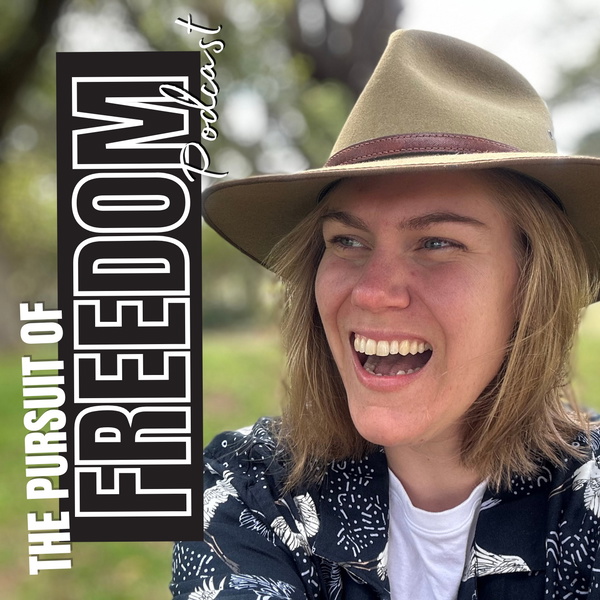
CW: This episode discusses weight loss, eating habits, body image and our relationship with the scale. Please skip this episode if you need to.
Join me as I chat to Jaylin Knight, a Weight Loss Mindset Coach for women. We discuss the importance of finding what works on a personal level for weight loss, and push back against common misconceptions.
Jaylin emphasises that sustainable weight loss requires choosing to do things you ENJOY, rather than focussing on restriction and obligation.
**Download Jaylin's FREE End the Food Guilt Guide**
Topics covered:
- Jaylin's transition from the corporate world, into entrepreneurship
- Calorie restriction
- How often should we weigh ourselves?
- Scales aren't an accurate representation of our progress
- Body dysmorphia
- Measuring success on your weight loss journey
- Finding the type of exercise you like
- PQ Reps to quieten negative thoughts
Concepts/People mentioned in the episode:
- PQ Reps
- The Law of Attraction
- Abraham Hicks
- Shirzad Chamine
Connect with Jaylin:
https://www.instagram.com/iamjaylinknight/
https://www.facebook.com/jaylinsknight/
https://www.linkedin.com/in/jaylinknight/
'Til next time,

TRANSCRIPT
[00:00:02] [SPEAKER_01]: G'day and welcome to the Pursuit of Freedom podcast.
[00:00:05] [SPEAKER_01]: I'm your host, Rosie Burrows, and I'm on a journey to find my freedom so that I can
[00:00:09] [SPEAKER_01]: help you do exactly the same.
[00:00:11] [SPEAKER_01]: Join me each week as I share the stories of everyday people who've found their own path
[00:00:16] [SPEAKER_01]: to freedom.
[00:00:17] [SPEAKER_01]: I'm not going to focus on job titles and accolades because I don't care about that stuff, and
[00:00:22] [SPEAKER_01]: neither should you.
[00:00:24] [SPEAKER_01]: I want to uncover what truly makes you tick.
[00:00:27] [SPEAKER_01]: Who are you when you step away from society's expectations and follow your heart?
[00:00:33] [SPEAKER_01]: I still haven't figured it out yet.
[00:00:35] [SPEAKER_01]: Have you?
[00:00:36] [SPEAKER_01]: Either way, buckle up because it's going to be one hell of a ride.
[00:00:41] [SPEAKER_01]: Welcome back.
[00:00:42] [SPEAKER_01]: This is episode 25 of the Pursuit of Freedom podcast.
[00:00:46] [SPEAKER_01]: Can you hear the excitement in my voice?
[00:00:49] [SPEAKER_01]: I'm ready and rearing to go for this year.
[00:00:52] [SPEAKER_01]: I lost my momentum a bit last year, but here we are.
[00:00:55] [SPEAKER_01]: I'm going to try and keep up with the weekly episodes.
[00:00:59] [SPEAKER_01]: Hopefully you can hear me okay.
[00:01:00] [SPEAKER_01]: It's pissing down with rain.
[00:01:02] [SPEAKER_01]: I'm in my van, and naturally it's really loud.
[00:01:06] [SPEAKER_01]: But today I'm talking to Jaylen Knight.
[00:01:09] [SPEAKER_01]: She's a weight loss mindset coach.
[00:01:14] [SPEAKER_01]: It's so refreshing to hear her talk about weight loss.
[00:01:18] [SPEAKER_01]: She's a huge advocate that it should be an enjoyable process.
[00:01:23] [SPEAKER_01]: It shouldn't make you miserable.
[00:01:24] [SPEAKER_01]: She's got so much value to offer, some really useful tools and tips to help you if you are
[00:01:32] [SPEAKER_01]: on a weight loss journey of your own.
[00:01:34] [SPEAKER_01]: I know that many of us have been down that path, and if you're anything like me, it's
[00:01:39] [SPEAKER_01]: not always great and it isn't always sustainable.
[00:01:42] [SPEAKER_01]: Before I roll the episode, I just want to give a content warning.
[00:01:45] [SPEAKER_01]: We are talking about weight loss, body image, eating, exercise, our relationship with the
[00:01:51] [SPEAKER_01]: scales.
[00:01:52] [SPEAKER_01]: If you need to skip this one, please do.
[00:01:56] [SPEAKER_01]: You can come back next week.
[00:01:57] [SPEAKER_01]: I love you.
[00:01:58] [SPEAKER_01]: You're worth it.
[00:01:59] [SPEAKER_01]: Let's roll the episode.
[00:02:04] [SPEAKER_01]: Jaylen, thank you so much for joining me today.
[00:02:08] [SPEAKER_01]: I've been really looking forward to this conversation.
[00:02:11] [SPEAKER_01]: I'd love to dive right in because you are a weight loss mindset coach.
[00:02:20] [SPEAKER_01]: I know that wasn't always the case.
[00:02:23] [SPEAKER_01]: Can you take us back?
[00:02:24] [SPEAKER_01]: What was life like for you leading up to this?
[00:02:28] [SPEAKER_00]: Sure.
[00:02:29] [SPEAKER_00]: Real quick, overhaul of my history is I actually went to school for business and thought I
[00:02:35] [SPEAKER_00]: was going to be in the corporate world for quite some time.
[00:02:38] [SPEAKER_00]: While I was in school, I ended up teaching aerobic classes as we called them back in the
[00:02:42] [SPEAKER_00]: day.
[00:02:44] [SPEAKER_00]: That really struck a chord with me.
[00:02:46] [SPEAKER_00]: It was something I never thought was something that I would do.
[00:02:50] [SPEAKER_00]: It really helped me become who I am and really find myself and find my voice and all those
[00:02:55] [SPEAKER_00]: things.
[00:02:56] [SPEAKER_00]: I had a degree.
[00:02:56] [SPEAKER_00]: I felt like I should use it, so I did.
[00:02:59] [SPEAKER_00]: I did that for several years, but I was just getting kind of antsy, not really satisfied
[00:03:05] [SPEAKER_00]: with that.
[00:03:06] [SPEAKER_00]: So, I dipped my toe back into the fitness world and decided that I absolutely loved it.
[00:03:10] [SPEAKER_00]: I jumped ship from corporate into full-time fitness.
[00:03:13] [SPEAKER_00]: I have been doing that for 15, 18, 20 years.
[00:03:19] [SPEAKER_00]: I haven't done the math.
[00:03:20] [SPEAKER_02]: Wow.
[00:03:21] [SPEAKER_00]: But just in the last couple of years, I started getting a little bit antsy about wanting
[00:03:25] [SPEAKER_00]: more from that because my clients are amazing and I love helping them with their fitness.
[00:03:30] [SPEAKER_00]: They show up and they do amazing in the class, but then there's so much more to life outside
[00:03:35] [SPEAKER_00]: of a fitness class that I was having trouble connecting and getting them inspired into
[00:03:40] [SPEAKER_00]: having a full-life transformation.
[00:03:42] [SPEAKER_00]: I've really gotten into the coaching side of things, which I am just finding so fulfilling.
[00:03:48] [SPEAKER_00]: It's just so much more holistic and how much further and deeper and more meaningful I'm
[00:03:53] [SPEAKER_00]: able to help and help women transform their lives.
[00:03:56] [SPEAKER_00]: Because I come from such a fitness background and so many women come to me with wanting
[00:04:01] [SPEAKER_00]: to change their weight, I have also niched into weight loss.
[00:04:05] [SPEAKER_00]: It's very much more about mindset and changing the way you perceive yourself in the world
[00:04:11] [SPEAKER_00]: and how you interact with it.
[00:04:13] [SPEAKER_00]: And then when you do all those things, the weight comes off.
[00:04:17] [SPEAKER_01]: I love it so much.
[00:04:19] [SPEAKER_01]: I've had like many women out there or most women, I could probably say, I've had my own
[00:04:23] [SPEAKER_01]: weight loss journey, right?
[00:04:25] [SPEAKER_01]: And it's a bloody rollercoaster, I can tell you that.
[00:04:28] [SPEAKER_01]: And I think one of the really common things that's pushed is calorie restriction or even
[00:04:35] [SPEAKER_01]: cutting out certain macronutrients out of your diet.
[00:04:38] [SPEAKER_01]: And I'd love to hear your thoughts on that.
[00:04:42] [SPEAKER_00]: Yeah, I have a lot.
[00:04:46] [SPEAKER_00]: Let's hear it.
[00:04:47] [SPEAKER_00]: So I've had my own weight struggles and that's also reasons that inspired me into where I've
[00:04:53] [SPEAKER_00]: gone.
[00:04:54] [SPEAKER_00]: And for so long, I was following what was known and it was eat more, eat less, what
[00:05:03] [SPEAKER_00]: I wanted to be versus what they were telling me, eat less, move more.
[00:05:07] [SPEAKER_00]: And that was kind of preached into us even in full-time fitness worlds.
[00:05:12] [SPEAKER_00]: That's what you have to get your clients to do.
[00:05:14] [SPEAKER_00]: They have to follow these things and they have to eat this way.
[00:05:17] [SPEAKER_00]: And it was nothing about mindset, nothing about behavioral change or how to get anybody
[00:05:21] [SPEAKER_00]: to want to make these changes.
[00:05:23] [SPEAKER_00]: And it was not fun for me.
[00:05:26] [SPEAKER_00]: It was not fun for my clients.
[00:05:27] [SPEAKER_00]: And I knew that there was something not right, but it took me a while to sort of figure out
[00:05:33] [SPEAKER_00]: how to make it better.
[00:05:34] [SPEAKER_00]: And so what we've learned so much is that there's so much about restriction and so much
[00:05:40] [SPEAKER_00]: when you get into that restriction mindset, and we can delve into the neuroscience of
[00:05:45] [SPEAKER_00]: it if you'd like.
[00:05:46] [SPEAKER_00]: But it goes against our very nature to want to restrict ourselves and to put ourselves
[00:05:54] [SPEAKER_00]: into these uncomfortable situations.
[00:05:55] [SPEAKER_00]: And that's why we don't.
[00:05:57] [SPEAKER_00]: We fall out of it.
[00:05:58] [SPEAKER_00]: We do things to stop it, sabotage it, all those things.
[00:06:01] [SPEAKER_00]: And it's completely normal that we would do it that way, as opposed to if you take a very
[00:06:06] [SPEAKER_00]: different mindset about feeding yourself with abundance and choosing things that feel good
[00:06:12] [SPEAKER_00]: in your body and creating different associations with the things that actually feel good to
[00:06:17] [SPEAKER_00]: you versus just something that tastes good right now.
[00:06:21] [SPEAKER_00]: But when you make these different associations, it's not about you can't have this.
[00:06:26] [SPEAKER_00]: You can have whatever you want, but now you actually want to choose the things that feel
[00:06:31] [SPEAKER_00]: good in your body, which happen to be the whole foods and the things that breathe life
[00:06:35] [SPEAKER_00]: into us.
[00:06:36] [SPEAKER_00]: And when you're feeding yourself those kinds of things, you're not going to put on weight
[00:06:42] [SPEAKER_00]: the way that you did before.
[00:06:43] [SPEAKER_00]: If you're already overweight and eating all of the processed things that don't actually
[00:06:48] [SPEAKER_00]: feel good in your body, then you will naturally lose that weight.
[00:06:52] [SPEAKER_01]: Yeah, I love that approach.
[00:06:54] [SPEAKER_01]: I think a lot of us have fallen into the calorie restriction basket.
[00:06:58] [SPEAKER_01]: I know for me, like I have my weight loss journey is just it kind of repeats itself.
[00:07:05] [SPEAKER_01]: Right. So in the past, I've definitely got into calorie restriction.
[00:07:09] [SPEAKER_01]: That's what everybody says, right?
[00:07:11] [SPEAKER_01]: Limit your calories, exercise more like you were saying.
[00:07:14] [SPEAKER_01]: And the weight comes off.
[00:07:16] [SPEAKER_01]: So in that sense, it works.
[00:07:19] [SPEAKER_01]: You lose all this weight.
[00:07:20] [SPEAKER_01]: Like for me, I'd lose it really quickly, like 20, 25 kilos in the space of three to four
[00:07:25] [SPEAKER_01]: months, which probably isn't the healthiest.
[00:07:27] [SPEAKER_01]: But the weight comes off and then you stop the calorie restriction because it's not
[00:07:32] [SPEAKER_01]: sustainable. And guess what?
[00:07:35] [SPEAKER_01]: The weight comes back on because it doesn't really address nothing.
[00:07:39] [SPEAKER_01]: It's the underlying cause.
[00:07:40] [SPEAKER_01]: Yeah. Yeah.
[00:07:41] [SPEAKER_01]: And I know there's you know, what comes to mind is Noom, which I think is an app.
[00:07:46] [SPEAKER_01]: And, you know, they preach that they have a different approach.
[00:07:50] [SPEAKER_01]: But I also know I'm fairly sure they tell their users to weigh in daily, which to me
[00:07:58] [SPEAKER_01]: doesn't seem like the healthiest thing to do.
[00:08:02] [SPEAKER_01]: What are your thoughts on this way and stuff?
[00:08:05] [SPEAKER_01]: Is that something we should be focusing on?
[00:08:07] [SPEAKER_00]: I think it's very individual.
[00:08:09] [SPEAKER_00]: So again, it's your relationship with what it's like to get on the scale.
[00:08:14] [SPEAKER_00]: So if you feel that every time you get on the scale, it's going to dictate how you feel
[00:08:20] [SPEAKER_00]: that day and how you act and what's going on with you, then that's not a healthy
[00:08:24] [SPEAKER_00]: relationship with the scale.
[00:08:25] [SPEAKER_00]: And in that respect, I would distance from it.
[00:08:29] [SPEAKER_00]: If you can get to the space where you can get on the scale and that's data and you're
[00:08:33] [SPEAKER_00]: just tracking data, then that can be very interesting because there's there's different
[00:08:37] [SPEAKER_00]: rules of thought, whether you weigh daily or weekly or monthly or not at all.
[00:08:40] [SPEAKER_00]: And any of them can be fine, but it's what's going to work for you.
[00:08:45] [SPEAKER_00]: Some people are very, very motivated by the numbers.
[00:08:47] [SPEAKER_00]: But because our weights fluctuate so much for so many different things, if you're only
[00:08:52] [SPEAKER_00]: weighing in once a month, once a week, things like that, you don't know where you are
[00:08:57] [SPEAKER_00]: in that fluctuation.
[00:08:58] [SPEAKER_00]: And so again, if you kind of have an unhealthy relationship with the scale and when you get
[00:09:02] [SPEAKER_00]: on, it's going to dictate how you feel that day and what actions you take that day.
[00:09:07] [SPEAKER_00]: And you happen to get on as a part of the month or whatever day it was that you were
[00:09:13] [SPEAKER_00]: retaining more water or whatever happened, or maybe you ate some more carbs the night
[00:09:16] [SPEAKER_00]: before. There's so many things, all of our different hormones, like so many things go
[00:09:21] [SPEAKER_00]: into what the scale shows that that can also really throw you off.
[00:09:26] [SPEAKER_00]: Whereas if you got on the day after, it might show five pounds difference.
[00:09:29] [SPEAKER_00]: Like it can be that dramatic sometimes.
[00:09:31] [SPEAKER_00]: And so in that respect, if you can get to that space where you can just get on the scale
[00:09:38] [SPEAKER_00]: to see the weight and see the trends and then notice that the trends are moving in the
[00:09:42] [SPEAKER_00]: direction you want to, that can be a really healthy space.
[00:09:45] [SPEAKER_00]: But again, that kind of all comes back to the mindset and fixing your relationship with
[00:09:50] [SPEAKER_00]: the scale so that doesn't matter what that scale says.
[00:09:53] [SPEAKER_00]: It doesn't affect how you're going to go about your day.
[00:09:57] [SPEAKER_01]: Mmm.
[00:09:58] [SPEAKER_01]: That's so insightful.
[00:10:00] [SPEAKER_01]: We're all different, right?
[00:10:01] [SPEAKER_01]: I love that you're talking about that for some people.
[00:10:04] [SPEAKER_01]: Like you say, it is a data point.
[00:10:06] [SPEAKER_01]: And I'm just thinking back for me.
[00:10:08] [SPEAKER_01]: I went through a phase where I was weighing daily and I had this graph on Excel and I
[00:10:13] [SPEAKER_01]: was plotting all the things and could see the trend.
[00:10:16] [SPEAKER_01]: And it was motivating.
[00:10:17] [SPEAKER_01]: But I've also had times in my life where, yeah, the relationship with the scale wasn't
[00:10:22] [SPEAKER_01]: great. So weighing in daily wasn't really the best for me.
[00:10:26] [SPEAKER_01]: But I think often we measure our success based on what the scales say.
[00:10:34] [SPEAKER_01]: Yeah. Are there other ways we can measure our success?
[00:10:37] [SPEAKER_00]: Oh, there's so many other ways to measure success.
[00:10:40] [SPEAKER_00]: So I mean, and you can even take whether we're talking about success just in terms of
[00:10:44] [SPEAKER_00]: body size, body composition or even success in terms of how you're feeling.
[00:10:49] [SPEAKER_00]: Right. Because I mean, you talked about that you've lost 20 kilos in three months or so
[00:10:53] [SPEAKER_00]: and that's very fast.
[00:10:56] [SPEAKER_00]: Right. But were you happy along the way?
[00:11:00] [SPEAKER_00]: Were you happy with the things that you were doing?
[00:11:02] [SPEAKER_00]: I'm not really.
[00:11:04] [SPEAKER_00]: The only thing is it's coming off that fast.
[00:11:05] [SPEAKER_00]: There's not a whole lot of happiness going on in there.
[00:11:08] [SPEAKER_00]: So that's a way to measure, right?
[00:11:10] [SPEAKER_00]: Like I talk to people all the time, you know, what if you could take off and I'm
[00:11:15] [SPEAKER_00]: familiar with pounds, but what if you could take off like all the weight that you wanted
[00:11:19] [SPEAKER_00]: to in the next month, but you are going to be miserable every single day?
[00:11:24] [SPEAKER_00]: Do you want to be miserable every single day or would you like to go about your life,
[00:11:31] [SPEAKER_00]: feel pretty good and it's going to take a little bit longer?
[00:11:34] [SPEAKER_00]: You know, and I haven't had anybody tell me that they actually want to be miserable.
[00:11:39] [SPEAKER_01]: Right. Yeah, absolutely.
[00:11:41] [SPEAKER_01]: When you frame it like that, it's like, well, no, I don't want to be miserable at all.
[00:11:45] [SPEAKER_00]: Right. And so I equated to kind of taking the scenic route or even like if you're on a
[00:11:49] [SPEAKER_00]: road trip, like do you want to drive 24 hours and not sleep?
[00:11:52] [SPEAKER_00]: Like do you want to like pry yourself open and just sit there misery for 24 hours?
[00:11:57] [SPEAKER_00]: Or would you like to take the scenic route and see the ocean?
[00:12:00] [SPEAKER_00]: It's going to take you a little longer to get there, but you've had a good time.
[00:12:02] [SPEAKER_00]: You're listening to your tunes, you're playing car games, whatever.
[00:12:06] [SPEAKER_00]: And so it's that's so much more so again, measuring success.
[00:12:10] [SPEAKER_00]: Are we measuring it just based on weight?
[00:12:13] [SPEAKER_00]: Are we measuring it based on quality of life?
[00:12:15] [SPEAKER_00]: Are we measuring it based on health?
[00:12:17] [SPEAKER_00]: Because there's so many different ways to measure from the beginning.
[00:12:20] [SPEAKER_00]: But even if it's coming down to just your body size, like it doesn't have to be the
[00:12:25] [SPEAKER_00]: scale. And in fact, the scale is not that reliable.
[00:12:28] [SPEAKER_00]: As we said, there's so many other things that go into it.
[00:12:31] [SPEAKER_00]: Whereas your clothes make a really good base.
[00:12:35] [SPEAKER_00]: How your clothes fit.
[00:12:36] [SPEAKER_00]: Actually taking pictures of yourself because you think the scale is unreliable.
[00:12:42] [SPEAKER_00]: Looking at yourself in the mirror is also very unreliable.
[00:12:46] [SPEAKER_00]: Yeah. But with a picture, you can step away from it and get a little bit more
[00:12:50] [SPEAKER_00]: concrete, objective data.
[00:12:52] [SPEAKER_00]: And you can see things and I am not immune to this.
[00:12:56] [SPEAKER_00]: Like I'll be like, I don't see any changes going on.
[00:12:58] [SPEAKER_00]: They'll look at your pictures.
[00:12:59] [SPEAKER_00]: I'm like, whoa.
[00:13:00] [SPEAKER_00]: Whoa. I had no idea that happened.
[00:13:04] [SPEAKER_01]: Yeah. You can't ignore the evidence in front of you, right?
[00:13:07] [SPEAKER_00]: Yeah. But well, you can when it's in a mirror.
[00:13:10] [SPEAKER_00]: Like mirrors. We're so used to seeing what we expect to see that we can not see what's
[00:13:17] [SPEAKER_00]: clearly in front of us basically.
[00:13:19] [SPEAKER_00]: Yeah.
[00:13:25] [SPEAKER_01]: And that makes me think of body dysmorphia.
[00:13:28] [SPEAKER_01]: Yes, very much.
[00:13:29] [SPEAKER_01]: To varying extents.
[00:13:31] [SPEAKER_01]: We've probably all had an experience with that.
[00:13:33] [SPEAKER_01]: So for our listeners who aren't familiar, can you talk us through what body dysmorphia is?
[00:13:38] [SPEAKER_00]: Absolutely. So body dysmorphia is not seeing an accurate portrait of how you actually look.
[00:13:45] [SPEAKER_00]: So let's say you look into the mirror and you are actually thin, but you only see
[00:13:51] [SPEAKER_00]: yourself as an overweight person or to whatever degree that is.
[00:13:55] [SPEAKER_00]: Maybe you're curvy, but you only see yourself as a rail.
[00:13:59] [SPEAKER_00]: Whatever vision you have in your head, you will see that in the mirror, even though
[00:14:05] [SPEAKER_00]: that's not an accurate portrait of what's going on.
[00:14:07] [SPEAKER_00]: And that's not what other people are seeing.
[00:14:09] [SPEAKER_00]: But we can get so caught up in our own heads.
[00:14:12] [SPEAKER_00]: And usually this will come from especially if we were heavier and we've lost weight.
[00:14:17] [SPEAKER_00]: It's very difficult to accept and see ourselves for the new weight that we are.
[00:14:23] [SPEAKER_00]: How do we work through that?
[00:14:25] [SPEAKER_01]: How do we work through the body dysmorphia to have a more, I'm not sure what the right
[00:14:30] [SPEAKER_01]: word is, but a healthier relationship with our body?
[00:14:34] [SPEAKER_00]: Healthier, more accurate.
[00:14:35] [SPEAKER_00]: And that really does go back into the mindset pieces and concrete items.
[00:14:40] [SPEAKER_00]: It helps to see in pictures a little bit, but even in pictures you can look and still
[00:14:45] [SPEAKER_00]: see what you see in your mind.
[00:14:48] [SPEAKER_00]: So just really getting in touch with who you are on the inside and recognizing what's
[00:14:54] [SPEAKER_00]: going on and how you're feeling and just showing yourself a lot more self-love and
[00:14:57] [SPEAKER_00]: self-empathy.
[00:14:59] [SPEAKER_00]: And then you kind of break down these old barriers and these old beliefs that you are
[00:15:04] [SPEAKER_00]: a vision that you're not anymore.
[00:15:06] [SPEAKER_00]: And you start to create that new vision in your mind.
[00:15:09] [SPEAKER_00]: And then you can actually see it in your reality.
[00:15:11] [SPEAKER_01]: It's not surface level, is it?
[00:15:13] [SPEAKER_01]: Like this is really deep work and I'm definitely guilty of this.
[00:15:20] [SPEAKER_01]: We often want a quick fix, like get the weight off, let's go.
[00:15:24] [SPEAKER_01]: Woohoo.
[00:15:25] [SPEAKER_01]: But like he was saying before, do you want to be miserable?
[00:15:28] [SPEAKER_01]: Because that's probably what's going to happen for someone like me.
[00:15:31] [SPEAKER_01]: I love food.
[00:15:32] [SPEAKER_01]: I love cooking.
[00:15:33] [SPEAKER_01]: I love the flavors.
[00:15:35] [SPEAKER_01]: And when I want a quick fix and I'm restricting calories, it is miserable.
[00:15:39] [SPEAKER_01]: I can't enjoy my food.
[00:15:41] [SPEAKER_01]: I'm cutting out carbs or whatever it is.
[00:15:44] [SPEAKER_01]: So I would love to know more about your approach because I guess calories are part of
[00:15:51] [SPEAKER_01]: the picture.
[00:15:52] [SPEAKER_01]: Would you agree?
[00:15:52] [SPEAKER_01]: Like, yeah, absolutely.
[00:15:54] [SPEAKER_00]: Yeah.
[00:15:54] [SPEAKER_00]: In order to lose weight, you do have to be in a caloric deficit.
[00:15:57] [SPEAKER_00]: But there are lots of ways to be in a caloric deficit.
[00:16:00] [SPEAKER_00]: I mean, one of the other problems that comes with just calorie restriction is that our
[00:16:05] [SPEAKER_00]: bodies do not like to have calorie restriction.
[00:16:08] [SPEAKER_00]: Besides the emotional part of it, physically, our bodies will have a lot of counteractive
[00:16:15] [SPEAKER_00]: responses, whereas our metabolism will slow and we will move less and things will shut
[00:16:21] [SPEAKER_00]: down more.
[00:16:22] [SPEAKER_00]: And so we won't burn as many calories as we were because our bodies are worried about
[00:16:27] [SPEAKER_00]: our safety and they're not sure when we're going to get calories again.
[00:16:29] [SPEAKER_00]: And so it will do everything it can to slow down for survival because that's way more
[00:16:35] [SPEAKER_00]: important to our body than our gene size.
[00:16:38] [SPEAKER_00]: So even just restricting calories to an extreme is going to have some different responses
[00:16:44] [SPEAKER_00]: from our bodies that is going to be unfavorable.
[00:16:48] [SPEAKER_00]: Then there's the emotional side, which is equally or more important in that it's hard.
[00:16:55] [SPEAKER_00]: It's miserable, especially when you take away all the things that you like.
[00:16:57] [SPEAKER_00]: You mentioned cutting out carbs, like cutting out any food group is going to be a
[00:17:02] [SPEAKER_00]: challenge.
[00:17:03] [SPEAKER_00]: And there are people who can choose to do things, like people who choose to do keto or
[00:17:10] [SPEAKER_00]: choose to do low carb.
[00:17:11] [SPEAKER_00]: And if that feels good to you, that's an entirely different thing.
[00:17:14] [SPEAKER_00]: If you have a positive association with what you're doing, that's not restriction, that's
[00:17:18] [SPEAKER_00]: choice.
[00:17:19] [SPEAKER_00]: And so when you're making a choice to eat different or to eat less or to eat less
[00:17:25] [SPEAKER_00]: processed things and more natural things, that's an entirely different experience than
[00:17:29] [SPEAKER_00]: restricting yourself.
[00:17:31] [SPEAKER_00]: But they're both less calories.
[00:17:33] [SPEAKER_01]: Yeah, that's a huge mindset shift.
[00:17:36] [SPEAKER_01]: And I guess that's what you do.
[00:17:39] [SPEAKER_01]: And I love what you're saying about we have a choice, you know, in this thing of
[00:17:44] [SPEAKER_01]: restriction versus, well, hey, actually, this feels really good for my body.
[00:17:49] [SPEAKER_01]: Your reason for doing it is very different.
[00:17:53] [SPEAKER_01]: So what would you say to people who go, oh, I don't have a choice.
[00:17:56] [SPEAKER_01]: I just have to do it this way?
[00:17:58] [SPEAKER_01]: Yeah.
[00:18:00] [SPEAKER_00]: So the first step is to recognize that they do have choices.
[00:18:04] [SPEAKER_00]: Right.
[00:18:05] [SPEAKER_00]: And so and part of that is accepting responsibility for the choices we are making, which can be
[00:18:10] [SPEAKER_00]: a hard hurdle for some people to get over.
[00:18:13] [SPEAKER_00]: You know, but we all have choices.
[00:18:15] [SPEAKER_00]: We all make choices.
[00:18:16] [SPEAKER_00]: We've all made certain choices that have got us to where we are today.
[00:18:21] [SPEAKER_00]: And absolutely no judgment to any of those choices.
[00:18:24] [SPEAKER_00]: And lots of different things come up in life that lead us to make the choices that we do.
[00:18:29] [SPEAKER_00]: But we are still making the choices.
[00:18:30] [SPEAKER_00]: And that's an empowering thing because it means we can make other choices as opposed to
[00:18:34] [SPEAKER_00]: the fact that we're just stuck with where we are and there's nothing we can do about it.
[00:18:39] [SPEAKER_00]: We get to make those choices.
[00:18:40] [SPEAKER_00]: They're not always going to be easy, but we can make them easier or harder.
[00:18:46] [SPEAKER_00]: Right.
[00:18:46] [SPEAKER_00]: So we can learn how to make them easier for ourselves.
[00:18:49] [SPEAKER_00]: But the first step is really building that awareness and accepting the responsibility,
[00:18:53] [SPEAKER_00]: really, that we do have a choice.
[00:19:00] [SPEAKER_01]: What do you think about the reasons women want to lose weight?
[00:19:06] [SPEAKER_01]: Because I feel like there's a few different ones in there.
[00:19:09] [SPEAKER_01]: And is there a particular one that is more sustainable or more healthy or more positive
[00:19:18] [SPEAKER_01]: than others?
[00:19:19] [SPEAKER_01]: Or is it, again, more personalized?
[00:19:21] [SPEAKER_00]: Yeah, I think the reason itself is really personalized.
[00:19:24] [SPEAKER_00]: My biggest point there is that it's got to be your reason.
[00:19:29] [SPEAKER_00]: Right.
[00:19:29] [SPEAKER_00]: Like if you want to lose weight because somebody else is putting pressure on you or
[00:19:33] [SPEAKER_00]: because you feel like you should or because you saw somebody on Instagram that looks
[00:19:36] [SPEAKER_00]: different and things like that, like if it's very external, that's going to be an
[00:19:40] [SPEAKER_00]: entirely different experience.
[00:19:41] [SPEAKER_00]: But any internal motivation that you have, whether it's for an event or to get healthy
[00:19:49] [SPEAKER_00]: or to whatever it is, doesn't matter.
[00:19:52] [SPEAKER_00]: If it's important to you, then that's what matters.
[00:19:56] [SPEAKER_00]: And then it can be more helpful to have things that are longer term.
[00:20:01] [SPEAKER_00]: So I got a lot of, I'm familiar with a lot of women that are like, I'm getting
[00:20:05] [SPEAKER_00]: married.
[00:20:06] [SPEAKER_00]: I'm like, great.
[00:20:06] [SPEAKER_00]: That's congratulations.
[00:20:08] [SPEAKER_00]: When is it?
[00:20:08] [SPEAKER_00]: Like three weeks.
[00:20:10] [SPEAKER_00]: I'm like, that's awesome.
[00:20:13] [SPEAKER_00]: You know, whereas other women will come like I'm getting married in six months and
[00:20:17] [SPEAKER_00]: I just, I want to use this as my motivation.
[00:20:20] [SPEAKER_00]: I've been wanting to do this for a long time, but now it's more important to me and
[00:20:24] [SPEAKER_00]: I have this timeframe, you know, and something like that, that can be really
[00:20:28] [SPEAKER_00]: inspiring.
[00:20:29] [SPEAKER_01]: Something I've, I thought of when you saying that it has to be your reason.
[00:20:34] [SPEAKER_01]: I'll share one of my experiences.
[00:20:36] [SPEAKER_01]: So earlier this year, I found out I have fatty liver disease and you know, it's
[00:20:43] [SPEAKER_01]: probably because I've gained a lot of weight.
[00:20:46] [SPEAKER_01]: My diet isn't the healthiest.
[00:20:49] [SPEAKER_01]: And the doctor's advice was you need to limit your fat intake to 10 grams a day.
[00:20:59] [SPEAKER_01]: And I left the conversation feeling scared because I wasn't really educated properly
[00:21:05] [SPEAKER_01]: by the doctor about what fatty liver disease was and what control I had over it.
[00:21:11] [SPEAKER_01]: And also just freaking out, like how am I possibly going to limit myself to 10 grams
[00:21:16] [SPEAKER_01]: of fat a day?
[00:21:17] [SPEAKER_01]: I felt so helpless and the negative self-talk was huge.
[00:21:25] [SPEAKER_01]: So let's talk about this negative self-talk because I feel like I'm not alone there.
[00:21:30] [SPEAKER_00]: You are not alone.
[00:21:31] [SPEAKER_00]: Not even close.
[00:21:34] [SPEAKER_00]: And so what was, what was coming up for you?
[00:21:40] [SPEAKER_01]: A lot of shame.
[00:21:42] [SPEAKER_01]: Like how did I let it get to this point?
[00:21:44] [SPEAKER_01]: You know, I'm overweight.
[00:21:45] [SPEAKER_01]: It's, I've been eating so badly that I've got fatty liver disease.
[00:21:50] [SPEAKER_01]: It felt impossible.
[00:21:52] [SPEAKER_01]: I just, I felt really low.
[00:21:55] [SPEAKER_01]: I just felt like scum.
[00:21:57] [SPEAKER_01]: Like how could I let myself get here and how can I even get out of it?
[00:22:01] [SPEAKER_01]: Like it's impossible to limit to 10 grams of fat a day, or at least it felt that way to me.
[00:22:07] [SPEAKER_00]: And then when you felt that, what kind of ideas did you have about how you were going to move
[00:22:13] [SPEAKER_00]: forward or what you could do from that space?
[00:22:17] [SPEAKER_00]: Stuff it.
[00:22:18] [SPEAKER_01]: I'm going to eat what I want.
[00:22:21] [SPEAKER_01]: That was a huge one.
[00:22:23] [SPEAKER_01]: So very reactive response.
[00:22:25] [SPEAKER_01]: And that's actually something I've done a lot in the past.
[00:22:28] [SPEAKER_01]: You know, I look at myself in the mirror and I'm disgusted by it.
[00:22:33] [SPEAKER_01]: And rather than making some positive changes, I'll just fall into, you know, binge eating has been a
[00:22:40] [SPEAKER_01]: recurring thing for me.
[00:22:41] [SPEAKER_01]: So I'll fall into that pattern.
[00:22:43] [SPEAKER_01]: And it doesn't feel good.
[00:22:45] [SPEAKER_01]: It does not feel good, but that's a recurring pattern for me.
[00:22:50] [SPEAKER_00]: Yeah.
[00:22:50] [SPEAKER_00]: And so part of, part of the neuroscience that we get into is really learn about how our brains work
[00:22:57] [SPEAKER_00]: and react and things like that.
[00:22:58] [SPEAKER_00]: And so when you're into those, those negative feelings that shame and that kind of thing, then you don't
[00:23:04] [SPEAKER_00]: have access to the part of it's an entirely different part of your brain.
[00:23:07] [SPEAKER_00]: It's in a more survival mode.
[00:23:08] [SPEAKER_00]: That's where those negative emotions are.
[00:23:10] [SPEAKER_00]: Whereas our more positive emotions are on the other side of our brain.
[00:23:13] [SPEAKER_00]: And that's where we have the clarity and the insight to come up with solutions and to have a positive
[00:23:19] [SPEAKER_00]: outlook about what's going on.
[00:23:20] [SPEAKER_00]: But when you're in that space where it doesn't feel good, then it's going to lead you to do other
[00:23:26] [SPEAKER_00]: things that don't feel good.
[00:23:28] [SPEAKER_00]: You're going to, you know, and that's how we get into that momentum and that spiral versus if you were
[00:23:33] [SPEAKER_00]: able to, if you had the tools, had the guidance to recognize that like this, this is the situation as it
[00:23:42] [SPEAKER_00]: is right now, but it's not forever.
[00:23:44] [SPEAKER_00]: And these are the steps that you can take.
[00:23:46] [SPEAKER_00]: And this is how we can talk through it about like, okay, what might've led you to get here?
[00:23:50] [SPEAKER_00]: What can lead you out of here?
[00:23:51] [SPEAKER_00]: Then all these things can help you get over and work from the other side of your mind that has the access
[00:23:58] [SPEAKER_00]: to the more positive things and then create a different outcome from there.
[00:24:02] [SPEAKER_00]: But it's a such a common situation.
[00:24:05] [SPEAKER_00]: I, you're reminding me of a client I had that she, she's fortunately still continues to do really well,
[00:24:10] [SPEAKER_00]: but she was making all these lifestyle changes and things were going really well, but she, she had a,
[00:24:16] [SPEAKER_00]: she had like a weird EKG and that showed that she might have some, some blockage.
[00:24:22] [SPEAKER_00]: And so she ended up going to the cardiologist, spoiler alert, everything was fine.
[00:24:26] [SPEAKER_00]: But when she went to the cardiologist, the cardiologist, she told the cardiologist all about the
[00:24:31] [SPEAKER_00]: wonderful lifestyle changes she was making.
[00:24:33] [SPEAKER_00]: And she was, she was making small, consistent changes, moving in the right direction and feeling good
[00:24:38] [SPEAKER_00]: about what she was doing.
[00:24:39] [SPEAKER_00]: It's exactly the way you do it.
[00:24:41] [SPEAKER_00]: That's how you make lifestyle changes.
[00:24:44] [SPEAKER_00]: And the cardiologist was like, yeah, but you're not doing this, this, this, this, this, this, and this.
[00:24:50] [SPEAKER_00]: Whoa.
[00:24:50] [SPEAKER_00]: And so she walked out of that feeling like what the, you know, it's like all she wanted to do was go to
[00:24:56] [SPEAKER_00]: the local fast food and get everything on the menu because that felt like crap and she's doing her best
[00:25:02] [SPEAKER_00]: to change things and it's not enough.
[00:25:04] [SPEAKER_00]: And the cardiologist tried to scare her.
[00:25:06] [SPEAKER_00]: And fortunately we were working together.
[00:25:08] [SPEAKER_00]: So we got to talk through that and to, to unravel that and how that works.
[00:25:13] [SPEAKER_00]: But that happens to so many people, especially when you, whether, whether you've gotten to a space
[00:25:18] [SPEAKER_00]: where you are starting to make changes or even if you haven't, anytime that negative self-talk comes
[00:25:23] [SPEAKER_00]: in, or even if it's preceded by somebody else's negativity.
[00:25:26] [SPEAKER_00]: But when we get that negative self-talk on ourselves, it never leads to a positive situation.
[00:25:33] [SPEAKER_00]: It doesn't lead to a positive outcome, right?
[00:25:35] [SPEAKER_00]: We have to go from the negative into enough of neutral space so that we can get over to a positive
[00:25:41] [SPEAKER_00]: space.
[00:25:42] [SPEAKER_00]: But if we stay in the negative, that's why we can't hate ourselves into changing, right?
[00:25:47] [SPEAKER_00]: If you're not long-term, yeah.
[00:25:50] [SPEAKER_00]: Maybe like for a short time you'd be like, I suck.
[00:25:53] [SPEAKER_00]: This is awful.
[00:25:53] [SPEAKER_00]: I'm going to do these things.
[00:25:55] [SPEAKER_00]: Yeah, sure.
[00:25:55] [SPEAKER_00]: That's not going to last.
[00:25:57] [SPEAKER_00]: Right.
[00:25:57] [SPEAKER_00]: And it's miserable.
[00:25:58] [SPEAKER_00]: I don't want to go down that road.
[00:25:59] [SPEAKER_00]: I'm not guiding anybody down that road.
[00:26:01] [SPEAKER_00]: But if we get into a space again where we can start to quiet that negative self-talk, start to feel
[00:26:09] [SPEAKER_00]: neutral, and then we get from neutral into more and more positive.
[00:26:13] [SPEAKER_00]: And then we want to do the things that you want to look for the solutions, want to figure out what you
[00:26:17] [SPEAKER_00]: can do, how you can manage.
[00:26:19] [SPEAKER_00]: If the 10 grams is even like that's a necessity or just something the doctors threw out, right?
[00:26:24] [SPEAKER_00]: Because that's the other beautiful part about these doctors is they don't know all the things about
[00:26:29] [SPEAKER_00]: nutrition.
[00:26:29] [SPEAKER_00]: I was going to say that.
[00:26:32] [SPEAKER_00]: Yeah.
[00:26:33] [SPEAKER_00]: Like this cardiologist, I wanted to have a chat with her.
[00:26:36] [SPEAKER_00]: I was like, how dare you talk to people like this?
[00:26:41] [SPEAKER_01]: Yeah.
[00:26:41] [SPEAKER_01]: And I think that's really important because I'm sure a lot of us have had similar experiences with
[00:26:47] [SPEAKER_01]: health professionals.
[00:26:49] [SPEAKER_01]: You've really got to stand up for yourself and do your own research just because they're a doctor
[00:26:54] [SPEAKER_01]: doesn't mean they know everything.
[00:26:57] [SPEAKER_01]: You know, when I did my own research about fatty liver, it's not about restricting your fat at all.
[00:27:04] [SPEAKER_01]: In fact, if you lose just 10% of your body weight, it makes a huge difference.
[00:27:09] [SPEAKER_01]: If you start exercising, it makes a difference.
[00:27:11] [SPEAKER_01]: So once I discovered that, I was like, hey, that's achievable.
[00:27:16] [SPEAKER_01]: Losing 10% of my body weight.
[00:27:18] [SPEAKER_01]: OK, I can do that.
[00:27:20] [SPEAKER_01]: So I really encourage people to do research.
[00:27:26] [SPEAKER_01]: It's not about ignoring what health professionals say.
[00:27:29] [SPEAKER_01]: I think it's valid to hear them, but don't take it at face value.
[00:27:34] [SPEAKER_01]: That doctor who told me limit your fat intake to 10 grams when I looked at the research, it was
[00:27:40] [SPEAKER_01]: actually wrong.
[00:27:42] [SPEAKER_00]: I mean, it's such a disservice, but I mean, there's better and less good practitioners all the
[00:27:48] [SPEAKER_00]: spaces.
[00:27:49] [SPEAKER_00]: So again, it kind of comes back to recognize we have to accept responsibility for our own choice.
[00:27:54] [SPEAKER_01]: Right, right.
[00:27:58] [SPEAKER_01]: You spoke about getting into this mutual stage before you start moving into the positive.
[00:28:05] [SPEAKER_01]: How do we start?
[00:28:06] [SPEAKER_01]: Is it something we can start by ourselves?
[00:28:09] [SPEAKER_00]: Yeah, absolutely.
[00:28:10] [SPEAKER_00]: And so and so we teach a way that is very accessible.
[00:28:16] [SPEAKER_00]: But yeah, it just takes you out of that recurring thought pattern and just gets you into your body
[00:28:21] [SPEAKER_00]: for a moment just so you can just get a sense of peace.
[00:28:25] [SPEAKER_00]: And it only takes 10 seconds.
[00:28:26] [SPEAKER_00]: And they have actually done a ton of research so they can see this on functional MRI machines, like
[00:28:31] [SPEAKER_00]: the part of your brain that is with negative emotions.
[00:28:33] [SPEAKER_00]: When that lights up, you get into this PQ apps and you take that pause.
[00:28:38] [SPEAKER_00]: That side quiets down and then you can light up the side that has more access to your positive
[00:28:42] [SPEAKER_00]: emotions.
[00:28:43] [SPEAKER_00]: Wow.
[00:28:44] Yeah.
[00:28:44] [SPEAKER_01]: And what I love so much about it is that you don't need to dedicate hours to it, right?
[00:28:52] [SPEAKER_01]: Just me doing it for whatever it was, 10 seconds might have even been less.
[00:28:56] [SPEAKER_01]: It made a difference because I think a lot of us say we don't have the time.
[00:29:02] [SPEAKER_01]: I have a few thoughts on that.
[00:29:05] [SPEAKER_01]: But for those people, like, come on, we've all got 10 seconds.
[00:29:08] [SPEAKER_01]: I think I think we can invest in that.
[00:29:11] [SPEAKER_01]: But let's go back to the, I call it an excuse.
[00:29:15] [SPEAKER_01]: And I want to hear your thoughts when people say, I don't have time.
[00:29:19] [SPEAKER_00]: Yeah, it kind of comes back to the awareness and taking responsibility for making choices.
[00:29:25] [SPEAKER_00]: Because no matter how much time and demands you have on you, one, you do have 10 seconds.
[00:29:32] [SPEAKER_00]: I don't believe anybody doesn't have 10 seconds.
[00:29:34] [SPEAKER_00]: Yeah, we do recommend trying to practice this up to 15 minutes a day, but in two minute
[00:29:39] [SPEAKER_00]: intervals.
[00:29:40] [SPEAKER_00]: Right. And so like, I do it when I'm driving my car, like on my steering wheel, I just
[00:29:44] [SPEAKER_00]: like really feel into the steering wheel.
[00:29:45] [SPEAKER_00]: And so you can just get so used to this and focusing on it that it can just become part
[00:29:50] [SPEAKER_00]: of your day.
[00:29:51] [SPEAKER_00]: And so it's not that you don't need to take yourself out.
[00:29:53] [SPEAKER_00]: You can still live your life and focus into doing these PQ reps.
[00:29:57] [SPEAKER_00]: So you do have the time.
[00:29:59] [SPEAKER_00]: It takes practice and it takes being aware and taking focus.
[00:30:04] [SPEAKER_00]: But the time part is that's a choice.
[00:30:07] [SPEAKER_00]: You can choose to do it.
[00:30:09] [SPEAKER_01]: I agree.
[00:30:11] [SPEAKER_01]: And there's a choice when we choose not to do something, right?
[00:30:15] [SPEAKER_01]: That's still a choice.
[00:30:17] [SPEAKER_01]: And our choices always have a consequence.
[00:30:24] [SPEAKER_01]: This time of year, I think this is highly relevant.
[00:30:27] [SPEAKER_01]: New Year's resolutions.
[00:30:29] [SPEAKER_01]: Yes.
[00:30:30] [SPEAKER_01]: What do you think about it?
[00:30:31] [SPEAKER_01]: Because I know for a lot of people there's going to be some weight loss or food related
[00:30:37] [SPEAKER_01]: goals on there.
[00:30:38] [SPEAKER_01]: Yeah.
[00:30:39] [SPEAKER_00]: And so I actually was just reading up on the fact that there is a psychological study or
[00:30:45] [SPEAKER_00]: thing, but there is a thing called the fresh start effect.
[00:30:48] [SPEAKER_00]: And so the concept and it can be anything.
[00:30:51] [SPEAKER_00]: It doesn't have to be January 1st.
[00:30:52] [SPEAKER_00]: So it's not like we can only do things at New Year's.
[00:30:54] [SPEAKER_00]: We can build on the momentum.
[00:30:56] [SPEAKER_00]: So like the fresh start effect, whether like birthdays, Mondays, like these things can
[00:31:01] [SPEAKER_00]: give us an extra boost to make the changes that we want to make.
[00:31:05] [SPEAKER_00]: But it still goes into making changes that are reasonable and easy enough and not going
[00:31:11] [SPEAKER_00]: to make you miserable.
[00:31:12] [SPEAKER_00]: And that really mattered to you.
[00:31:13] [SPEAKER_00]: So we talked about weight loss goals, whatever intrinsic motivation that you have is
[00:31:18] [SPEAKER_00]: that's fine.
[00:31:19] [SPEAKER_00]: There's no judgment to whatever it is that's motivating you.
[00:31:22] [SPEAKER_00]: But if you're just doing it because somebody else has mentioned it, then that's not going
[00:31:26] [SPEAKER_00]: to work quite as well for you.
[00:31:28] [SPEAKER_00]: But with that, then we want to practice all of the other ways that we know about healthy
[00:31:33] [SPEAKER_00]: behavior change that makes a lifestyle change.
[00:31:36] [SPEAKER_00]: So making it easy enough, starting off small, adding a little bit at a time, doing things
[00:31:41] [SPEAKER_00]: like changing your association to things so that you're not doing things you don't want
[00:31:45] [SPEAKER_00]: to do. You're changing the reason you want to do certain things.
[00:31:49] [SPEAKER_00]: Or like I've been doing this with ladies with exercise forever and like they were
[00:31:53] [SPEAKER_00]: referred to it as a fairy fitness dust.
[00:31:56] [SPEAKER_00]: But that women will come to me like, I hate exercising.
[00:31:58] [SPEAKER_00]: I'm like, oh really?
[00:31:59] [SPEAKER_00]: What have you done?
[00:32:00] [SPEAKER_00]: They're like, you know, all these things.
[00:32:01] [SPEAKER_00]: I'm like, did you enjoy it?
[00:32:02] [SPEAKER_00]: They're like, no. I'm like, well, that makes sense.
[00:32:05] [SPEAKER_00]: But you hate that.
[00:32:07] [SPEAKER_00]: But if you actually enjoy it and then they come back like, oh, this is the first time
[00:32:12] [SPEAKER_00]: I've ever actually enjoyed exercise.
[00:32:13] [SPEAKER_00]: I was like, yeah, I know.
[00:32:17] [SPEAKER_00]: She said humbly.
[00:32:20] [SPEAKER_00]: Yeah. But it's a very different like there's and maybe because I grew up that way,
[00:32:24] [SPEAKER_00]: we're like, I don't have the greatest eye hand coordination and not very good at sports
[00:32:29] [SPEAKER_00]: and there's a lot of things I don't like doing.
[00:32:32] [SPEAKER_00]: And so it took me a while to find exercise that I enjoyed.
[00:32:36] [SPEAKER_00]: And so but once I found something I enjoyed, then I ran with it.
[00:32:39] [SPEAKER_00]: I was like, okay, finally.
[00:32:41] [SPEAKER_00]: But there's also, you know, there's a different mindset around finding things that
[00:32:44] [SPEAKER_00]: you enjoy too.
[00:32:45] [SPEAKER_00]: So it's not that we all have to enjoy every single thing, but I do not believe that
[00:32:51] [SPEAKER_00]: there's not something that somebody couldn't enjoy in terms of moving their body as
[00:32:55] [SPEAKER_00]: long as you're open to it, which is a different mindset piece.
[00:33:01] [SPEAKER_01]: I think it ties in with this concept of feeling like we should do something rather
[00:33:06] [SPEAKER_01]: than wanting to do something.
[00:33:09] [SPEAKER_01]: So for me, I've always felt pressure that I should be doing cardio.
[00:33:14] [SPEAKER_01]: You know, I hate cardio.
[00:33:16] [SPEAKER_01]: It's miserable.
[00:33:17] [SPEAKER_01]: I hate running.
[00:33:18] [SPEAKER_01]: I just I don't enjoy it.
[00:33:21] [SPEAKER_01]: But I've put my body through that because that's what I should be doing.
[00:33:24] [SPEAKER_01]: Yeah.
[00:33:25] [SPEAKER_01]: But when I discovered what I enjoy doing, I go, hey, this is what I want to do.
[00:33:31] [SPEAKER_01]: So for me, it was triathlons and sort of powerlifting style training.
[00:33:37] [SPEAKER_01]: I enjoyed it.
[00:33:38] [SPEAKER_01]: And guess what?
[00:33:39] [SPEAKER_01]: It made such a difference.
[00:33:42] [SPEAKER_01]: Why do we get caught up in this?
[00:33:45] [SPEAKER_01]: Oh, I should be doing this.
[00:33:46] [SPEAKER_01]: Where does that come from?
[00:33:48] [SPEAKER_00]: I think it comes from a lot of I mean, the thing there's so many shows based on
[00:33:52] [SPEAKER_00]: society or because somebody else likes it.
[00:33:54] [SPEAKER_00]: So, or somebody else got results on it, then I should be able to do it.
[00:33:57] [SPEAKER_00]: All sorts of places.
[00:34:00] [SPEAKER_00]: I can't even begin to understand where all the shows come from, but I know they're out there.
[00:34:04] [SPEAKER_00]: I know a lot better about how to get over the shits than where they come from.
[00:34:08] [SPEAKER_00]: But I had a similar experience with cardio.
[00:34:10] [SPEAKER_00]: Like I hate cardio machine as a treadmill.
[00:34:15] [SPEAKER_00]: That's the only way that I could be fit.
[00:34:17] [SPEAKER_00]: I'd have so many problems, but I love to dance.
[00:34:20] [SPEAKER_00]: Dancing is amazing.
[00:34:21] [SPEAKER_00]: I would dance for 24 hours straight and it would just be pure fun.
[00:34:25] [SPEAKER_00]: I might be exaggerating there, but dancing is amazing.
[00:34:28] [SPEAKER_00]: That is not cardio to me.
[00:34:29] [SPEAKER_00]: That is just fun.
[00:34:30] [SPEAKER_00]: And oh, am I getting all the cardiovascular benefits?
[00:34:32] [SPEAKER_00]: Absolutely.
[00:34:34] [SPEAKER_00]: Yay.
[00:34:34] [SPEAKER_00]: That's great.
[00:34:35] [SPEAKER_00]: I think the other piece that unfortunate is that people sort of resign into feeling like they have to do something.
[00:34:42] [SPEAKER_00]: Like a lot of times, like somebody else, I know this happens with diets all the time.
[00:34:47] [SPEAKER_00]: Like, oh, so-and-so lost 30 pounds off of this diet.
[00:34:50] [SPEAKER_00]: So it must work.
[00:34:51] [SPEAKER_00]: Now I have to do it.
[00:34:52] [SPEAKER_00]: Whereas it might have been something that that person enjoyed and you don't, or it might have been a crash diet and they'd lost it, but they're putting that back on too.
[00:35:03] [SPEAKER_00]: So like there's lots of other things, but I think so many people are like, well, like the doctor said I have to run on the treadmill.
[00:35:09] [SPEAKER_00]: So like, that's what I have to do as opposed to I going to take responsibility for myself and I'm going to keep looking at things until I can find something I like.
[00:35:19] [SPEAKER_00]: It's entirely different.
[00:35:21] [SPEAKER_00]: Scenario.
[00:35:22] [SPEAKER_00]: And if you, if you keep looking like there's so, so many things, like I just don't think it's possible to not find something that you like.
[00:35:30] [SPEAKER_01]: Yeah.
[00:35:31] [SPEAKER_01]: And you might not find it on the first try, right?
[00:35:33] [SPEAKER_01]: Absolutely.
[00:35:34] [SPEAKER_01]: Yeah.
[00:35:34] [SPEAKER_01]: Exploring and lead with curiosity.
[00:35:36] [SPEAKER_01]: And as you say, there's got to be something out there.
[00:35:38] [SPEAKER_00]: Yeah.
[00:35:39] [SPEAKER_00]: Yeah.
[00:35:39] [SPEAKER_00]: You've got to, you've got to have a bit of an open mind.
[00:35:42] [SPEAKER_00]: And I think the other thing is really setting expectations because again, it's not like you're going to go from hating exercise to absolutely loving everything you run into.
[00:35:51] [SPEAKER_00]: But finding the positive aspects and then changing your association to whatever that is.
[00:35:56] [SPEAKER_00]: Like you said that you, you hate cardio, but triathlons, that's a lot of cardio.
[00:36:02] [SPEAKER_02]: What a hypocrite.
[00:36:04] [SPEAKER_00]: That's what I was thinking.
[00:36:08] [SPEAKER_00]: But you know, like you didn't like doing cardio in a specific way, but you broke out of that box and you're like, Oh, I absolutely love doing all these things.
[00:36:17] [SPEAKER_00]: These three cardio exercises.
[00:36:20] [SPEAKER_01]: Yeah.
[00:36:21] [SPEAKER_01]: It's amazing.
[00:36:22] [SPEAKER_01]: I truly believe we can all find that thing.
[00:36:24] [SPEAKER_01]: Just got to give it a go.
[00:36:25] [SPEAKER_01]: You don't know.
[00:36:26] [SPEAKER_01]: This is cliche, but you don't know unless you try.
[00:36:30] [SPEAKER_00]: It's been something that's absolutely changed my life.
[00:36:32] [SPEAKER_00]: I always knew that I wanted to dance, but I just wasn't fortunate to grow up dancing.
[00:36:38] [SPEAKER_00]: And so I went clubbing a lot in my college days.
[00:36:42] [SPEAKER_00]: That was fun.
[00:36:43] [SPEAKER_00]: And then Zumba became a thing.
[00:36:45] [SPEAKER_00]: And so at first I was hiring another instructors to come teach it for me because I was so intimidated to teach it myself.
[00:36:51] [SPEAKER_00]: And it kind of worked out in my favor that it wasn't working out with the instructors and timings and things like that.
[00:36:57] [SPEAKER_00]: And so I'm like, all right, well, that's not working.
[00:36:58] [SPEAKER_00]: I could either cancel this altogether or I could just teach it.
[00:37:02] [SPEAKER_00]: And I was enjoying taking it.
[00:37:03] [SPEAKER_00]: So I'm like, I don't want to cancel it.
[00:37:04] [SPEAKER_00]: And so I started teaching it and that was just another quantum leap of absolute joy and wonder and so much fun that I'm really happy that I tested that and went for it.
[00:37:18] [SPEAKER_01]: Yeah, that's amazing.
[00:37:23] [SPEAKER_01]: It sounds like you've kind of always been an entrepreneur.
[00:37:27] [SPEAKER_01]: You did start in the corporate world, but you've done a lot of fitness training and coaching people and all sorts of things.
[00:37:37] [SPEAKER_01]: Did that feel natural for you making the leap into being your own boss?
[00:37:42] [SPEAKER_01]: How did that happen?
[00:37:44] [SPEAKER_00]: Looking back on it, it feels like it was natural the whole time.
[00:37:49] [SPEAKER_00]: But it was interesting.
[00:37:49] [SPEAKER_00]: I was just having this conversation not that long ago where in hindsight, it feels like everything fell into place and it was all roses and beautiful and amazing.
[00:38:00] [SPEAKER_00]: And I sat and thought about it didn't quite feel like that in the moment.
[00:38:06] [SPEAKER_00]: Now that it's successful, I'm like, oh yeah, it was perfect.
[00:38:09] [SPEAKER_00]: But I will say, another thing I've come into is when I first started and when I got into the fitness world, I sort of flew by the seat of my pants and learned everything on the internet.
[00:38:23] [SPEAKER_00]: But I didn't hire coaches at that time.
[00:38:26] [SPEAKER_00]: And I made it work out.
[00:38:28] [SPEAKER_00]: It was bumpy, but I made it work out.
[00:38:31] [SPEAKER_00]: And this time with getting into the coaching, I've actually hired the business coaches and trying to do it a little bit more advised.
[00:38:37] [SPEAKER_00]: And for sure, 100%, this is so much easier.
[00:38:43] [SPEAKER_00]: But what I've learned is, so I'm around so many other entrepreneurs now.
[00:38:49] [SPEAKER_00]: I didn't know when I became an entrepreneur, what the failure rate was.
[00:38:54] [SPEAKER_00]: I did not understand how much people don't usually succeed as an entrepreneur.
[00:39:00] [SPEAKER_00]: And I think that was very beneficial.
[00:39:03] [SPEAKER_00]: I think that sort of ignorant bliss was really, really helpful for me.
[00:39:08] [SPEAKER_00]: Because when I went into it and when I became an entrepreneur, it was very new with me really understanding the law of attraction.
[00:39:16] [SPEAKER_00]: And so for me, for the most part, I'm not pretending it wasn't bumpy and rocky and I didn't do it the hard way and it could have been easier.
[00:39:24] [SPEAKER_00]: Like all those things are true.
[00:39:25] [SPEAKER_00]: But I also believe that for all of those things, my experience of it was actually really quite wonderful.
[00:39:36] [SPEAKER_00]: And I think that that was so much of being led by the law of attraction and my trust in that and just understanding that and going into that.
[00:39:43] [SPEAKER_00]: I know I just threw a whole different wrench into what we were talking about, but it has so much to do with what made me feel confident in becoming an entrepreneur.
[00:39:50] [SPEAKER_00]: And I started in one city, one state, and I grew my business for like a year and a half and I'm like, I'm moving.
[00:39:57] [SPEAKER_00]: And so I started all over again.
[00:39:59] [SPEAKER_00]: And I just knew when I got here, I just, I had to, this was brand new.
[00:40:05] [SPEAKER_00]: And so I had to find an apartment, I had to put together my business, I had to get the clients, like starting from scratch.
[00:40:10] [SPEAKER_00]: And I was just not scared at all.
[00:40:12] [SPEAKER_00]: Like I was just like, that's fine, it'll all work out.
[00:40:15] [SPEAKER_00]: And so those are the parts that I remember really well.
[00:40:18] [SPEAKER_00]: I also remember those super late nights of doing the hard work and making it work out.
[00:40:23] [SPEAKER_00]: I do remember those, but in hindsight, it feels like it was all meant to be and kind of on the easy side.
[00:40:32] [SPEAKER_00]: It wasn't in the moment.
[00:40:33] [SPEAKER_00]: It wasn't.
[00:40:34] [SPEAKER_01]: It's funny how we remember things.
[00:40:38] [SPEAKER_00]: But I'm so happy.
[00:40:39] [SPEAKER_00]: Like I can't imagine another way at this point.
[00:40:43] [SPEAKER_00]: And I've been an entrepreneur for the majority of my career.
[00:40:46] [SPEAKER_00]: So yeah, it would be so, so unfamiliar to go into a different situation.
[00:40:54] [SPEAKER_01]: This is a bit of a loaded question, but has life been better since being an entrepreneur compared to how it was before?
[00:41:02] [SPEAKER_01]: A thousand percent.
[00:41:04] [SPEAKER_01]: Yeah.
[00:41:04] [SPEAKER_01]: Yeah.
[00:41:04] [SPEAKER_00]: Yeah.
[00:41:05] [SPEAKER_00]: And even like I said, there were the rocky times, but to get to where I am now, like nothing is worth not getting here.
[00:41:12] [SPEAKER_00]: Like I love here.
[00:41:15] [SPEAKER_00]: I love like the majority of my experience as an entrepreneur has just, I mean, it's one of those things that like it feels freeing even when you're working all the time.
[00:41:25] [SPEAKER_00]: Like there's that sort of scenario.
[00:41:28] [SPEAKER_00]: But really it's helped me become who I am so much.
[00:41:33] [SPEAKER_00]: Like I can't even describe the amounts of personal growth that I've gotten as a direct result of the line of work that I'm in.
[00:41:40] [SPEAKER_00]: And so, and part of that's probably the entrepreneur and part of that's probably the fitness and the coaching.
[00:41:44] [SPEAKER_00]: Like it all comes together.
[00:41:47] [SPEAKER_00]: But I would not ever trade the life experience that I've had going this way.
[00:41:53] [SPEAKER_01]: I mean, it must be pretty great if you've been doing it this long.
[00:41:56] [SPEAKER_01]: That's a very good indicator.
[00:41:57] [SPEAKER_01]: Yeah.
[00:41:58] [SPEAKER_01]: I like it.
[00:41:59] [SPEAKER_01]: Tell us about this random CD that you received at an EFT retreat.
[00:42:09] [SPEAKER_00]: Yeah, I think our listeners will love this story.
[00:42:12] [SPEAKER_00]: And so, as I said, I was on my own weight loss journey and having a really rough time at it.
[00:42:17] [SPEAKER_00]: And so EFT, which is the tapping, the acupressure kind of tapping, was sort of all the rage.
[00:42:25] [SPEAKER_00]: This was like 2006, 7, something like that.
[00:42:30] [SPEAKER_00]: And so I went to a retreat and it was quite an expensive one to go to this EFT thing that I thought was just going to change everything for me.
[00:42:37] [SPEAKER_00]: And like finally make weight loss feel easy and doable.
[00:42:40] [SPEAKER_00]: And like, I'd finally be able to restrict calories the way they told me to.
[00:42:45] [SPEAKER_00]: I'd be able to handle the misery.
[00:42:48] [SPEAKER_00]: But that's whatever it was.
[00:42:50] [SPEAKER_00]: I believe that this is going to be like the most life changing thing.
[00:42:55] [SPEAKER_00]: And so I went on this retreat and I was so disappointed.
[00:42:58] [SPEAKER_00]: I just I didn't feel like I got what I was looking for.
[00:43:03] [SPEAKER_00]: I wasn't thrilled about the EFT.
[00:43:04] [SPEAKER_00]: It wasn't really connecting with me and no knocking to EFT.
[00:43:08] [SPEAKER_00]: Like so many people feel so much better.
[00:43:10] [SPEAKER_00]: There's a lot of people getting a lot of great experiences by it.
[00:43:13] [SPEAKER_00]: It wasn't that experience for me.
[00:43:16] [SPEAKER_00]: But they gave a free CD as part of this very expensive retreat.
[00:43:23] [SPEAKER_00]: A free CD that I listened to on my way home.
[00:43:26] [SPEAKER_00]: And that CD happened to be Abraham Hicks.
[00:43:28] [SPEAKER_00]: And that is what taught me about the law of attraction.
[00:43:32] [SPEAKER_00]: And absolutely 1000% changed my life.
[00:43:37] [SPEAKER_00]: So indirectly I got exactly what I needed.
[00:43:41] [SPEAKER_00]: And also just proving that the law of attraction was doing its thing.
[00:43:46] [SPEAKER_01]: I was just going to say that.
[00:43:47] [SPEAKER_01]: I have a tradition on this podcast.
[00:43:49] [SPEAKER_01]: I like to end with a specific question.
[00:43:53] [SPEAKER_01]: So can you tell me what does freedom mean to you?
[00:44:00] [SPEAKER_00]: The first word that came to mind was just happiness.
[00:44:03] [SPEAKER_00]: I guess freedom can look a zillion different ways.
[00:44:06] [SPEAKER_00]: But if whatever you're practicing that feels free is going to feel happy.
[00:44:11] [SPEAKER_00]: As long as you've got happiness.
[00:44:13] [SPEAKER_00]: And I guess it goes the opposite way.
[00:44:15] [SPEAKER_00]: As long as you feel happiness, which you have control over, you can be free anywhere.
[00:44:20] [SPEAKER_00]: I'm thinking of like Nelson Mandela at this point.
[00:44:22] [SPEAKER_00]: I'm not comparing myself to him by any means.
[00:44:24] [SPEAKER_00]: But the idea that like if you can, you can still be happy even if you're locked up
[00:44:29] [SPEAKER_00]: because you're in control of your own mind.
[00:44:31] [SPEAKER_00]: So yeah, I'm going to stick to happiness and make it clear that I'm not comparing myself.
[00:44:38] [SPEAKER_01]: But why not?
[00:44:40] [SPEAKER_01]: Like we yeah, our mindset can make such a difference, you know, even in the most adverse
[00:44:47] [SPEAKER_01]: conditions, mindset can be such a game changer.
[00:44:51] [SPEAKER_01]: Thank you, Jaylen, so much.
[00:44:52] [SPEAKER_01]: It was such a great conversation.
[00:44:53] [SPEAKER_01]: Thank you.
[00:44:54] [SPEAKER_01]: Yeah.
[00:44:55] [SPEAKER_01]: Some of the key things that stood out for me is that our weight loss journeys are so
[00:45:03] [SPEAKER_01]: individual. And an example of that is weighing in for some people.
[00:45:07] [SPEAKER_01]: It's going to work weighing in daily.
[00:45:09] [SPEAKER_01]: For others, it's not.
[00:45:10] [SPEAKER_01]: And that's OK.
[00:45:11] [SPEAKER_01]: Do what works for you.
[00:45:14] [SPEAKER_01]: There's different ways of measuring success.
[00:45:15] [SPEAKER_01]: It's not always the scale.
[00:45:19] [SPEAKER_01]: Take progress photos.
[00:45:20] [SPEAKER_01]: That's been huge for me, actually.
[00:45:22] [SPEAKER_01]: I would definitely recommend that.
[00:45:24] [SPEAKER_01]: And, you know, it might not be as effective for some people.
[00:45:28] [SPEAKER_01]: Again, it's individual.
[00:45:29] [SPEAKER_01]: It's individual.
[00:45:30] [SPEAKER_01]: And something that really stood out is that you need to do the things that feel good.
[00:45:36] [SPEAKER_01]: Yeah.
[00:45:38] [SPEAKER_01]: You know, and calorie restriction does not feel good.
[00:45:41] [SPEAKER_01]: I think we can all agree on that.
[00:45:43] [SPEAKER_01]: So find the things that feel good.
[00:45:46] [SPEAKER_01]: And, you know, exercising is an important part of it.
[00:45:49] [SPEAKER_01]: And just explore.
[00:45:50] [SPEAKER_01]: Find the thing that you enjoy, because if you enjoy it, it's sustainable.
[00:45:55] [SPEAKER_01]: Yeah.
[00:45:55] [SPEAKER_01]: And this whole concept of small, consistent changes, you don't have to do it all
[00:46:01] [SPEAKER_01]: overnight, but it adds up when you're doing these small things.
[00:46:06] [SPEAKER_00]: Yeah.
[00:46:07] [SPEAKER_01]: And then the concept you mentioned about coming into a neutral space that really
[00:46:12] [SPEAKER_01]: resonated, I think.
[00:46:15] [SPEAKER_01]: Yeah.
[00:46:16] [SPEAKER_01]: Just drop the judgment a little bit.
[00:46:18] [SPEAKER_01]: Let's be neutral.
[00:46:19] [SPEAKER_01]: And, you know, slowly but surely we will be able to shift into a more positive space.
[00:46:25] [SPEAKER_01]: Absolutely.
[00:46:25] [SPEAKER_01]: It's yeah, it's a journey.
[00:46:28] [SPEAKER_01]: Before we sign out, there any parting words you want to share?
[00:46:31] [SPEAKER_01]: It's mostly women who listen to this podcast.
[00:46:33] [SPEAKER_01]: So are there any parting words you'd like to share with them specifically related to
[00:46:39] [SPEAKER_01]: the work that you do in the weight loss space?
[00:46:42] [SPEAKER_00]: Well, yeah.
[00:46:43] [SPEAKER_00]: I mean, you started to mention it was to let go of that judgment, which can be such a
[00:46:47] [SPEAKER_00]: challenging thing to do, right?
[00:46:49] [SPEAKER_00]: We all have an internal judge.
[00:46:51] [SPEAKER_00]: And so I really think that that's a good space to start with the PQ reps and just
[00:46:56] [SPEAKER_00]: doing the 10 seconds of just feeling anything.
[00:47:00] [SPEAKER_00]: So you can feel your own fingers, you can feel whatever's near your desk, your chair,
[00:47:04] [SPEAKER_00]: and just really focusing on what that feels like to just give yourself 10 seconds, 30
[00:47:09] [SPEAKER_00]: seconds away from that judgment voice.
[00:47:11] [SPEAKER_00]: If you keep practicing that, then you can let go of that judgment voice because that
[00:47:16] [SPEAKER_00]: voice is not, it's not helping you.
[00:47:18] [SPEAKER_00]: And I think we're so used to having it that we think it's impossible not to have.
[00:47:24] [SPEAKER_00]: And that's not true.
[00:47:25] [SPEAKER_00]: It's convinced us that we need it and that it will always be there.
[00:47:28] [SPEAKER_00]: But I can tell you from my own experience and my practice in this and from Shirzad
[00:47:34] [SPEAKER_00]: Shamim who designed the practice that I teach, he has researched over 500,000
[00:47:40] [SPEAKER_00]: people that you can absolutely quiet that judge and live a much more positive life.
[00:47:46] [SPEAKER_00]: That sounds amazing.
[00:47:47] [SPEAKER_00]: Sign me up.
[00:47:51] [SPEAKER_01]: Now, if people listening want to learn more, um, I will put Jaylen's contact
[00:47:58] [SPEAKER_01]: details in the description.
[00:47:59] [SPEAKER_01]: She's got a website and there's all across socials.
[00:48:02] [SPEAKER_01]: You've shared so much value in this episode, but I know you have so much more
[00:48:07] [SPEAKER_01]: to share, um, with others through the work that you do.
[00:48:10] [SPEAKER_01]: And honestly, I can't wait to have you back on.
[00:48:13] [SPEAKER_01]: I feel like this is going to happen again.
[00:48:15] [SPEAKER_01]: That'd be wonderful.
[00:48:16] [SPEAKER_01]: Thank you so much.
[00:48:17] [SPEAKER_01]: Thank you.
[00:48:18] [SPEAKER_01]: If this episode resonated with you at all, could I please ask that you share it with
[00:48:22] [SPEAKER_01]: a friend who you think could get value from it?
[00:48:25] [SPEAKER_01]: And whilst you're doing that, make sure you follow and subscribe to the podcast so
[00:48:29] [SPEAKER_01]: that you never miss another episode.
[00:48:31] [SPEAKER_01]: And whilst you're following or subscribing, please leave us a rating, preferably five
[00:48:36] [SPEAKER_01]: stars, and also a written review.
[00:48:39] [SPEAKER_01]: Doing each of these things is going to help this podcast reach more people and
[00:48:45] [SPEAKER_01]: impact more lives, which is at the end of the day is what we're here to do.
[00:48:50] [SPEAKER_01]: Thank you so much.
[00:48:52] [SPEAKER_01]: I appreciate you.
[00:48:53] [SPEAKER_01]: Remember you matter.
[00:48:55] [SPEAKER_01]: You're worth it.
[00:48:56] [SPEAKER_01]: And you are so, so capable.
[00:48:58] [SPEAKER_01]: Take care of yourself and I'll see you next week.